Phytogenics for pigs: Small molecules, large impact
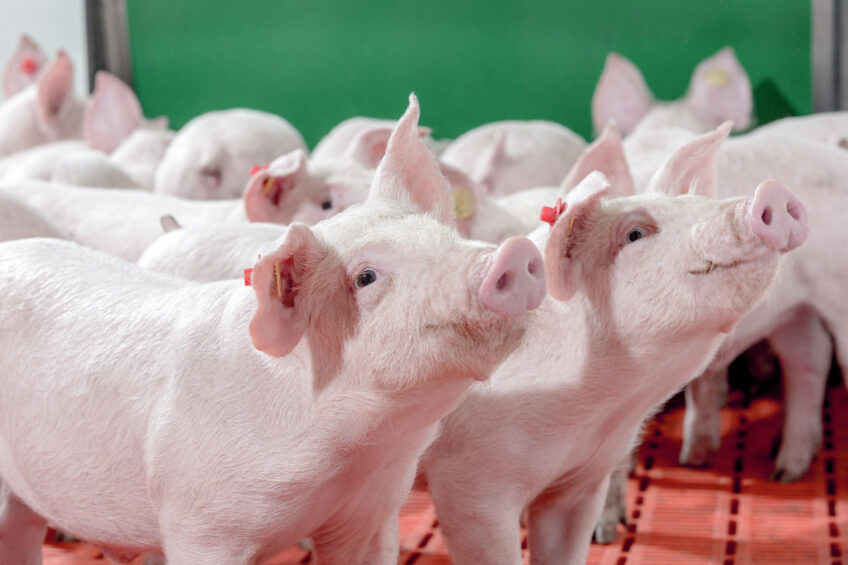
While there are various definitions of what phytogenics encompass, they can be viewed as standardised, specific, and science-based combinations of bioactive compounds derived from or inspired by the plant universe, offering benefits for animals, people, and/or the environment. Driven by the global target to reduce antibiotics in livestock and the European ban (June 2022) on therapeutic use of zinc oxide, phytogenics are now gaining momentum as a reliable tool to support piglets through weaning.
Even though phytogenics are often applied at low inclusion rates in animal diets, their targeted mechanisms of action can deliver a significant impact. This is because phytogenics comprise a diverse range of plant-based ingredients and bioactive compounds with multiple modes of action (Figure 1).
For instance, phytogenics can disrupt the communication of undesirable bacteria, which could help in the disruption of biofilm formation. Certain compounds may serve as alternative binding sites, decreasing the ability of bacteria to adhering to the gut lining. Phytogenic substances may help reduce intestinal permeability to undesirable bacteria, supporting efficient nutrient absorption and strengthening overall resilience in animals. Last but not least, phytogenics can enhance the body’s ability to neutralise reactive oxygen species.
Figure 1 – Phytogenics comprise a diverse range of bioactive compounds with multiple modes of actions.

Selecting the perfect phytogenic blend
Post-weaning diarrhea affects about 1 in 4 piglets in Europe, posing a major challenge for pig producers due to its impact on growth, health, and productivity. To address this, increasing attention has turned to phytogenics.
By harnessing the plethora of beneficial effects, phytogenics can play a vital role in reducing the impact of post-weaning diarrhoea and support piglet resilience and performance worldwide. However, the efficacy of phytogenic depends on the specific active substances involved, as well as factors such as plant species, growing conditions, climate, harvesting, and processing methods, all of which influence the type and concentration of active compounds.
To achieve optimal effectiveness, it is also essential to understand the synergistic interactions among these substances and to make sure the efficacy of the bio-active compounds remains intact during feed processing and storage of feed.
So which phytogenics can help mitigate post-weaning challenges like post-weaning diarrhoea in piglets? Previous research showed notable potential of specific phytogenic compounds, such as essential oils, spices (e.g., turmeric), and mucilaginous plants (e.g., fenugreek). For instance, one study found that an essential oil reduced the adhesion of E. coli to intestinal mucus derived from piglets. Other studies have indicated that fenugreek can modulate the attachment of undesirable bacteria. The key lies in selecting the perfect blend and making it work inside the piglet.
Trials confirm less bacterial shedding
Specific phytogenic blends containing a blend of herbs, plants extracts and essential oils have been shown to help the piglet to overcome weaning challenges by disruption of bacterial communication and reduced adhesion of undesirable bacteria.
Cargill Micronutrition & Health co-conducted a study together with Schothorst Feed Research (the Netherlands), and IRTA (Spain) and findings were published in peer-reviewed article. In this trial, piglets challenged with F4-ETEC and supplemented with the phytogenic feed solution had significantly lower levels of bacterial shedding on days 13, 14, and 16 post-weaning, compared to the control group (Figure 2). The phytogenic group also showed reduced prevalence of fecal E. coli excretion and duration of diarrhoea, better stool consistency was supported, and improved jejunal histomorphology.
Figure 2 – The effect of inoculation of F4-ETEC (on day 10 post-weaning) and the percentage of piglets shedding the bacteria

Commercial application of phytogenics
Cargill Micronutrition & Health has been researching phytogenics for years and has considerable knowledge on the ones that have been proven effective in piglet nutrition. Refining formulations and testing them extensively under practical, farm conditions led to the development of Cinergy Protect. The phytogenic feed solution increases daily feed intake resulting in better growth and helps the piglet to overcome weaning challenges.
An important trial by Cargill Micronutrition & Health in Spain demonstrated the significant benefits of using the product during the weaning period. A total of 276 weaned piglets of both sexes (Danbred sows X Pietrain male) received either a basal diet or the basal diet supplemented with Cinergy Protect at 1 kg/mt.
Piglets receiving the phytogenic feed solution showed:
- 7.8% increase in average daily feed intake (ADFI)
- 15% increase in average daily gain (ADG)
- 3.6% improvement in feed conversion ratio (FCR)
- Reduced mortality and removals from 7.6% to 4.9%
Conclusion
Weaning remains an everlasting challenge and post-weaning diarrhoea affects nearly 1 in 4 piglets in Europe. Traditionally, antibiotics and the therapeutic use of zinc oxide were widely used to control gut imbalances, diarrhea and fight infections during this time. However, pig producers are now being pushed toward more sustainable and innovative alternatives.
The growing evidence and a deeper understanding of phytogenics are enhancing our ability to tackle post-weaning challenges, particularly during the critical first 14 days after weaning by promoting feed intake and supporting growth. This knowledge is driving the development of innovative, commercially viable phytogenic solutions such as Cinergy Protect from Cargill Micronutrition & Health. Many of these new feed solutions are formulated using advanced technologies, such as microencapsulation, to protect the stability and bioavailability of active compounds until they reach the piglet’s gut.
References are available on request.
Join 18,000+ subscribers
Subscribe to our newsletter to stay updated about all the need-to-know content in the pigsector, three times a week.