An integrated approach to enhance heat stress resilience in pigs
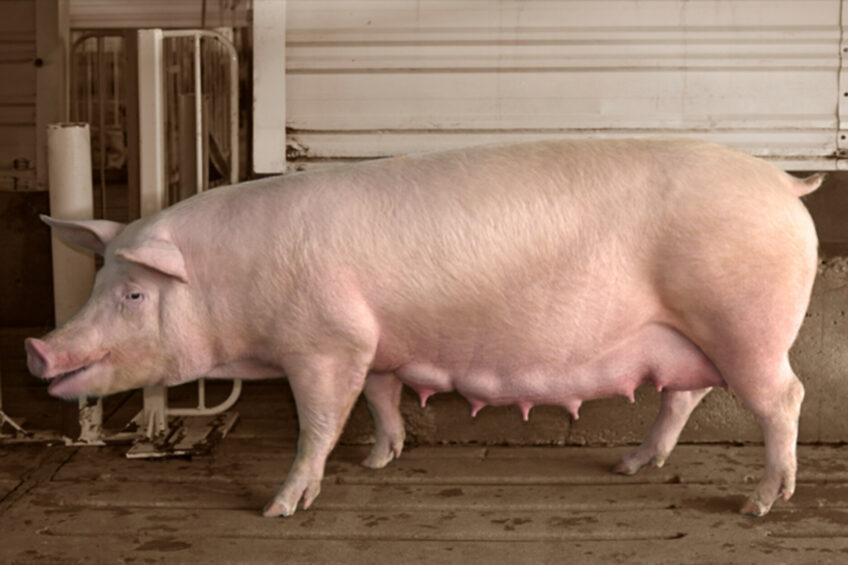
Heat stress in sows negatively impacts both their own health and the performance of their offspring. Effectively addressing this challenge requires an integrated approach that combines sound farm management, optimised nutrition, and targeted micronutrition solutions.
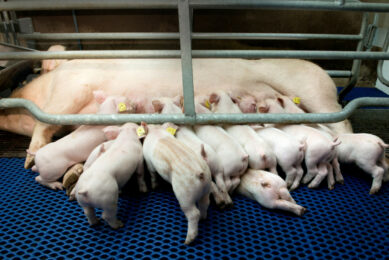
Heat stress is a major risk factor for sow health and performance. As discussed in our previous article on this topic, heat stress impact goes beyond lower feed intake. Heat stress impairs gut integrity, disrupts microbial balance, and affects endocrine and reproductive functions. When fetuses develop in heat stressed gestating sows – a condition known as in utero heat stress – the risk of fetal loss increases and birth weights can decline. These effects can persist in piglets, leading to higher maintenance energy needs, altered body composition, reduced immunity, more stress-related behavior, and impaired reproductive performance.
Because heat stress is both complex and multifactorial, it requires an integrated approach to mitigate. Decisions made months earlier, particularly on nutrition, health, and sow conditions, often determine how well animals cope when heat pressure rises. The strategy to help pigs manage heat stress should be built on data-driven insights, solid nutritional expertise, and robust farm management support. In this article, we explore how heat stress influences sow nutritional needs and how Cargill’s Animal Nutrition & Health (ANH) integrated solutions approach can support management, sustain healthy sows, and promote solid performance during heat stress.
How heat stress reshapes nutrient needs in sows
A high-quality, balanced sow diet is essential for providing energy and amino acids for maintenance, fetus growth, and lactation. However, nutrient needs shift under heat stress, calling for a next level approach.
- Protein level and quality are critical. Excess or imbalanced protein increases heat production and energy waste and can promote unhealthy hindgut fermentation that irritates the intestine. Lower crude protein with balanced amino acids and high-quality sources are linked to higher litter gains and fewer losses in lactating sows, particularly during heat stress.
- Energy supply also needs adjustment. Diets that increase net energy while minimizing heat production, with moderate fat inclusion and more energy-dense carbohydrates (~100 kcal/kg increase), help maintain intake and performance in hot conditions.
- Fibre plays a dual role. Fermentable carbohydrates support gut health but also generate heat and dilute dietary energy. In lactating sows, slightly reducing the amounts of fermentable dietary fibre (by about 2-5%) can help sustain feed intake in warm environments.
- Heat stress alters acid-base balance. A moderate increase in Dietary Cation-Anion Difference (DCAD), for example, through feeding of sodium bicarbonate, can be an effective dietary approach in feeding sows during hot periods.
- Antioxidants and minerals matter too. Adequate vitamin E, vitamin C, and trace minerals such as Zn and Se help pigs cope with heat stress and support intestinal health.
Protecting sows requires an integrated approach
Cargill ANH applies an integrated solutions approach for heat stress management, combining precision formulation platforms such as the Cargill Nutrition Cloud (CNC), targeted products, and expert support. These enable accurate nutrient adjustments and measurable on-farm results.
Precision formulation platforms. Effective reformulation starts with data-driven insights. CNC combines nutrient data, research, and algorithms to support more precise feed formulation, better performance predictability, and more consistent economic returns. It links nutrient supply with animal demand to identify high-value ingredients and support efficient formulation decisions.
People and services. Successful heat stress management, including diet and feeding adjustments, depends on effective on-farm implementation and alignment between nutrition, feeding practices, and barn environment. Cargill ANH technical teams and digital tools support diet audits, rapid program adjustments, and practical guidance, such as monitoring water availability, feeding behavior, respiration rates, and body temperature, enabling timely action before and during potential heat stress events.
Targeted products with proven field results
Several flagship products from Cargill ANH’s Micronutrition & Health Solutions portfolio provide support within its integrated solutions approach to mitigate heat stress. These include XPC, Cinergy Excel Max (previously known as Fresta F), and Proviox. Recognising that heat stress requires actions before, during, and after thermal challenge, product use focuses on, preparing, supporting and promoting recovery. By supporting the microbiome and gut robustness ahead of heat events and maintaining intake and oxidative stability under heat load, this approach helps sustain productivity and resilience. It also restores biological balance and performance afterward, supporting longevity through the heat stress cycle.

Supporting the gut microbiota before and during heat stress
When temperature and humidity remain high for extended periods, the sow’s gut becomes more fragile: microbial balance declines, the intestinal barrier weakens, and inflammation rises, diverting nutrients from production. XPC, a postbiotic with a broad spectrum of bioactive compounds, helps stabilise the maternal microbiome before, during, and after heat stress. Piglets from XPC-fed sows also show fecal profiles that better manage opportunistic bacteria at weaning, helping support gut microbial balance as heat begins.
XPC also helps reduce the physiological strain of heat stress. Supplemented sows show improved antioxidant status and more stable body temperature and respiration, resulting in more pigs weaned and heavier litters under hot conditions.

Supporting feed intake when heat reduces appetite
When temperatures rise, lactating sows eat less to limit metabolic heat generation, just when milk production demands the most energy. This gap can affect sow body condition, litter growth, and the next reproductive cycle.
Cinergy Excel Max helps maintain feed intake during heat stress. Formulated with essential oils and flavonoids to support voluntary intake, it has shown an average 8% increase in feed intake across trials. Higher intake supports milk production, litter growth, and sow body reserves.
Field trials in the US showed that sows receiving Cinergy Excel Max consumed more feed under high temperature (up to +14%), weaned heavier litters with slightly more piglets (+0.55), and improved reproduction performance in next cycle’ (+0.6 piglets in the next cycle).
Conclusion
Heat stress is a complex, multifactorial challenge that impacts sow health, welfare, fertility, and overall farm performance. Addressing it effectively requires more than a single intervention. It demands a comprehensive approach that prepares the sow before heat stress even begins,and should supporther during heat exposure, and ensure recovery when temperatures drop again.
Cargill Animal Nutrition & Health advances this approach through integrated solutions strategy, combining precision nutrition platforms for accurate diet design, specialised micronutrition solutions to support gut health and resilience, and hands-on expertise for practical on-farm implementation. By aligning nutrition with proactive monitoring and management, producers are better equipped to sustain feed intake, maintain sow condition, and protect performance of both the sow and her offspring during heat stress.
References are available on request.
Join 18,000+ subscribers
Subscribe to our newsletter to stay updated about all the need-to-know content in the pigsector, three times a week.