Targeted delivery of butyric acid in the intestinal tract
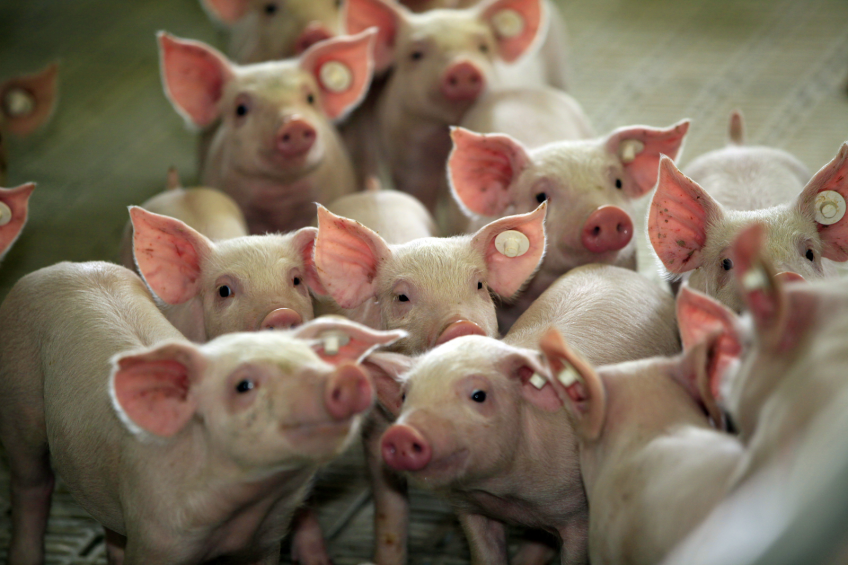
Butyric acid is considered to be one of the most efficient energy sources for the pig’s intestines. Making sure it is active right there in the intestinal tract – and not earlier – butyric acid is often coated. How exactly does this process work?
By Dr Brian Kremer, regional sales manager, Kemin Industries
Gut integrity is of major importance for producers in today’s environment. The impact on the performance of pigs from the standpoint of improving gut function is a paramount goal.
Get full access to all stories on Pig Progress
This Premium article is exclusively available for subscribers
Obtain insights from exclusive interviews
Dive into articles covering trending industry topics
Get a glimpse into pig farms worldwide
All the news is brought to you by experienced editors and experts from around the world

Vincent
ter Beek

Kees van
Dooren

Treena
Hein