More pig feed produced in Germany in 2025
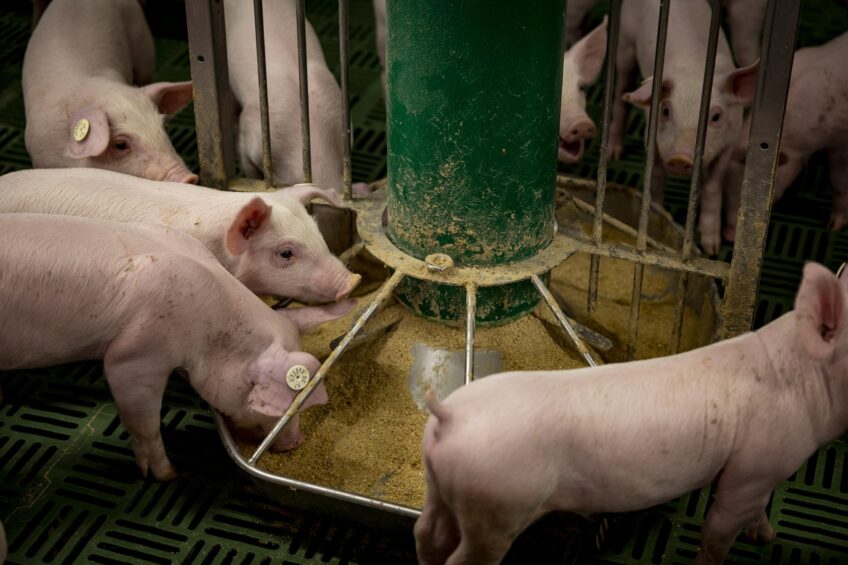
Production of compound feed in Germany increased by 640,000 tons in 2025, reaching 22.5 million tons. The largest chunk of feed produced in Germany is for pigs – and this segment grew as well.
The growth to 22.5 million tons is a 2.9% rise compared to 2024, according to the German Association for Animal Nutrition (DVT) in its annual overview.
Although German feed production remains below the record 24.2 million tons achieved in 2020, recent figures show steady growth across several categories.
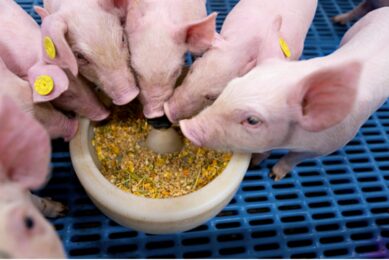
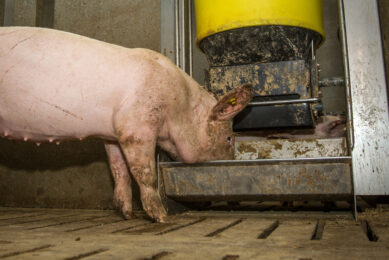
Pig feed production reached 8.4 million tons, up 1.5% from 2024. While the number of finishing pigs declined, this was offset by an increase in young pigs. Overall, pig feed continues to account for 37% of total feed production. Cattle feed production increased by 250,000 tons to 6.7 million tons, while poultry feed exceeded 6.5 million tons – an increase of 1.8% year-on-year.
Also read: French feed production up 1.1% despite lower demand for pig feed
Revenue and mineral feed production
German feed producers achieved a total turnover of just over €8.4 billion. Of that, pig feed contributed €2.8 billion, poultry feed accounted for almost €2.5 billion, and feed for cattle generated just over €1.9 billion.
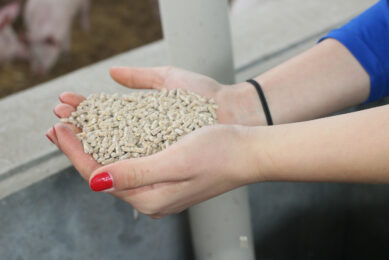
Production of mineral feed also grew, reaching 644,000 tons – an increase of 5.3%. The largest portion was mineral feed for cattle, which rose by 5.5% to 427,000 tons. Mineral feed for pigs also increased, up 4.1% compared to the previous period. Mineral feed is a complementary feed and can come in the form of pellets or more powder forms. It can be mixed to the basic ration on-farm (e.g. mixed into the TMR on dairy farms) or the mineral feed is already added to the complete feed at the feed mill and hence sold to the farmers.
Geopolitical challenges affecting the feed industry
According to DVT’s annual review, the economic conditions of the feed industry are increasingly influenced by geopolitical developments. International conflicts and political tensions are affecting energy prices, as well as disrupting logistics and supply chains.
DVT president Cord Schiplage said: “In particular, products manufactured in Asia and transported to Europe via international maritime trade routes could be affected by delays or price increases in the event of a further escalation. For compound feed manufacturers, this adds to the additional uncertainty in the supply of important additives such as vitamins or amino acids.”
Like other animal feed organisations, DVT too asked the European Commission to increase the attractiveness of production in Europe. Schiplage said, “A shortage of vitamins or amino acids can impact animal health, lower the performances and reproduction and jeopardise for a long time the European production of animal food products.”
Join 18,000+ subscribers
Subscribe to our newsletter to stay updated about all the need-to-know content in the pigsector, three times a week.