Rabobank pork update: Global sow herd to contract in 2026
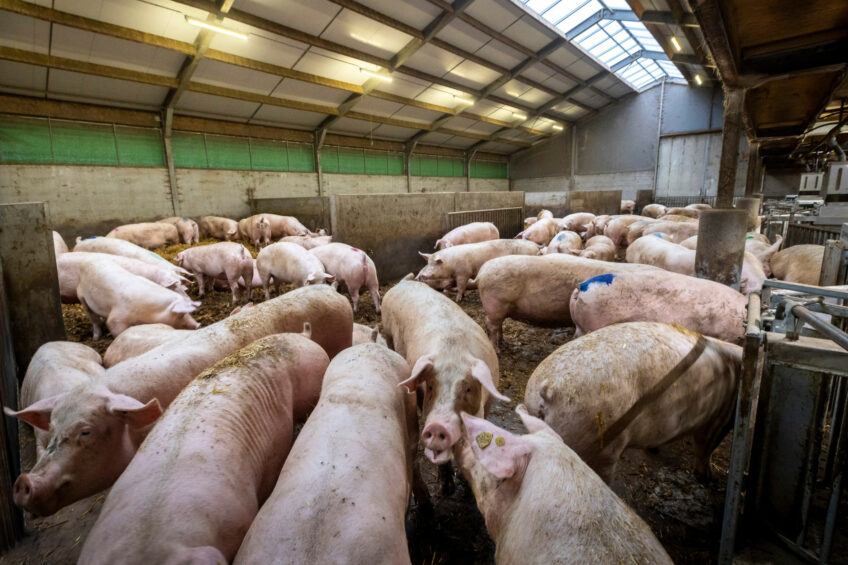
In its quarterly global pork update, Rabobank already casts a look into the future. For the next year, Rabobank expects the global sow herd to decline, pork trade is likely stay in motion and herd health improvements are expected.
“The sow herd is likely to decline in 2026 as the industry faces heightened uncertainty,” the bank wrote its quarterly report. The reduction is mostly related to China’s plans to reduce the size of its sow herd by 1 million. Pork prices in China have been “under pressure,” the bank wrote, with current prices being 42% down year-on-year. Due to the intended cuts in the sow herd, price stabilisation is underway, the bank expects.
Pork trade issues for 2026
Another key topic for the next season to look out for is that “trade remains in flux, with geopolitical tensions high.” By the end of 2025 global pork trade will be at levels similar to 2024 or slightly above. Mostly Brazil is profiting from that, expanding from 12 to 15% of total volumes this year, the bank wrote. In September 2025, pork shipments were even the highest in history.
PRRSv, PEDv, ASFv
The bank also pointed to health issues, which are likely to improve into the next year, even though the risks continue to exist. The bank pointed to well-known outbreaks like PRRSv, PEDv as well as ASFv. In its overview, the bank sums up that in Vietnam, for instance, prices have dropped sharply due to the resurgence of ASF across the country. That was mainly because of “panic selling.”
In the Philippines, on the other hand, prices for pigs continued to rise due to tight supply and that was also related to ASF. By the end of the 2nd quarter, the bank wrote, the herd inventory was 9.01 million head, which was over 5% less than one year earlier.
Join 18,000+ subscribers
Subscribe to our newsletter to stay updated about all the need-to-know content in the pigsector, three times a week.