Antibiotic reduction in the Netherlands: from challenge to leading example
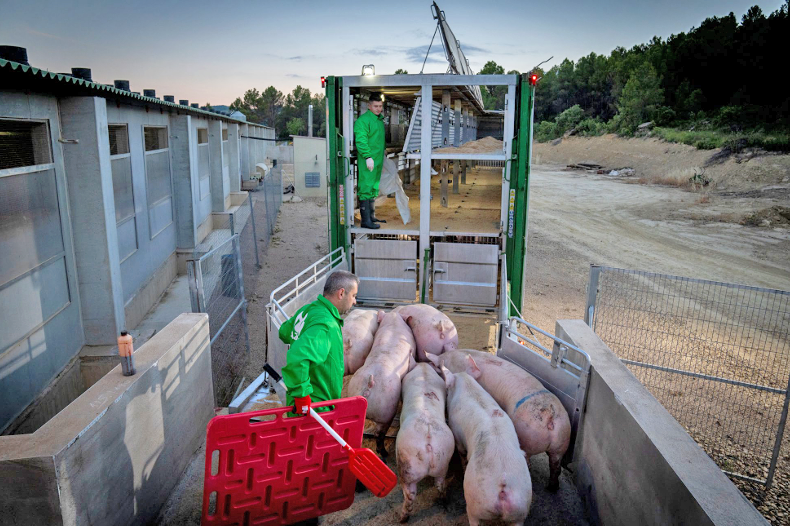
The Netherlands has cut veterinary antibiotic use by over 76% since 2009, while improving pig health and productivity. This policy-driven, management-focused approach is now a global model for tackling antimicrobial resistance without sacrificing farm viability.
Antibiotic Reduction: Embracing best practices – read all articles
What started as a threat to the livestock industry has turned into a success story. Back in 2009, with the emergence of Extended Spectrum Beta Lactamase bacteria in poultry, plus the concerns about livestock-associated MRSA, both bacteria with extended antimicrobial resistance, policymakers made a strong appeal to the livestock industry to reduce the use of antibiotics. Currently, veterinary antibiotic use in the Netherlands has been reduced by 76.4%, while still improving productivity with increasing average daily weight gain and reducing feed conversion ratios. The latest report about veterinary antimicrobial use and resistance in the Netherlands (Maran 2024) shows a reduction across all livestock species. And even more importantly, the report also highlights that antimicrobial resistance (AMR) for most of the major classes of antibiotics used, such as tetracyclines, penicillins and trimethoprim sulfonamides, has been reduced.
More good news, AMR in Salmonella Typhimurium found in human isolates, which is mainly associated with pigs and cattle as a reservoir, went down in the Netherlands. Looking at the data between 2000 and 2023, AMR in S. Typhimurium peaked at about 2010, and current levels are in line with AMR data back at the beginning of the millennium.
Other countries follow
Currently, we also see other countries in Europe adopting measures to reduce antimicrobial resistance, including more strict management of the prescribing process, starting to impact the antibiotic use. Recently, the European Medicines Agency reported that approximately 65% of total EU antimicrobial sales for food-producing animals corresponded to substances that belong to category D, which should be used whenever possible as first-line treatments. Also highlighted was that 29% of antimicrobial sales were category C (considered only when there are no clinically effective antibiotics in Category D), and only 6% of sales were in category B, critically important antimicrobials in human medicine, when use in animals should be restricted to situations that mitigate a risk to public health.
Worldwide example
The current experiences in the Netherlands have become a worldwide example of how to reduce antibiotics, while maintaining viable economic pork production. Policy makers in Asia are starting to announce antibiotic reduction programs. For example, Thailand, to tackle this issue, is promoting responsible antimicrobial use in livestock production by introducing the Voluntary Optimisation of Antimicrobial Consumption (VOAC) programme to encourage the responsible use of antimicrobials. And farmers around the globe are curious and eager to learn how the reduction of antibiotics should be achieved while maintaining high productivity and health.
Modifying management
According to a policy paper by Wageningen Economic Research, Dutch farmers were able to keep up with the growing production standards by modifying their management practices. A questionnaire among pig farmers indicated the measures that were implemented to improve the health of their animals (see Table 1). First ranked was to avoid the routine use of antibiotics (81.8%), followed closely by using more preventive vaccinations (81.5%), using more pain management (76.4%) and more attention to pest control (74.5%). Aside from these, other measures mentioned were improved hygiene (67.3%), improved feed (63%) and improved climate management.
Figure 1 – EMA Guidelines for Veterinarians Prescribing antibiotics for livestock

The veterinarian has a central role in the reduction of the antibiotics used on a farm, as they have a holistic overview of the health situation and limitations, as a trusted adviser to the farmers. Working together with other stakeholders such as feed mill consultants, nutritionists, genetic specialists and hygiene experts, you get a team that is able to overcome the challenges and reduce antibiotic use without compromising the economic viability of pig production.
Boehringer Ingelheim is proud of its heritage and the strategic choice we have made to focus on prevention. Most antibiotics in swine production are used to treat respiratory and digestive diseases.Our leading innovations in the design of effective and safe vaccines, such as Ingelvac CircoFLEX, Ingelvac MycoFLEX, Ingelvac PRRSFLEX and Enterisol ileitis, that control key swine diseases, allow producers to reduce antibiotic use in swine production.
One area that has been developing to avoid antimicrobials over the last few years has been modifying the microbiome. Dietary fibre (DF) is getting increased attention when optimising pig diets, with a focus on intestinal health. Feeding DF can affect their well-being and their health. Moderately fermentable fibre sources with larger particle sizes appear to have beneficial effects on the pig’s intestinal health after weaning, mainly due to the local production of short-chain fatty acids (SCFAs). In general, short-chain fatty acids are considered beneficial in controlling (gram-negative) bacteria. SCFAs are mainly produced in the large intestines, by the bacterial fermentation of fibres. The inclusion of 4% wheat bran in weaner pigs has a stimulating effect on SCFA production, reducing E.coli counts in the digestive tract. When focusing on post-weaning diarrhoea in piglets, oat hulls were also found to be effective, but the relationship of dietary fibre sources is complex and related to other ingredients as well.
Vaccines
Another tool that can be used to improve gut health is Enterisol Ileitis, an oral live vaccine that combats the intestinal pathogen Lawsonia intracellularis, which can be beneficial for the microbiome. The effect is by stimulating the right fermenting bacteria, leading to increased production of butyrate, a very important SCFA for a healthy gut. This benefit was proven in a challenge study in which the ileitis vaccinated animals had significantly less shedding of Salmonella Typhimurium. This is the first vaccine with an immunological claim against a pathogen other than the antigen in the vaccine. Considering the benefits to gut health, reduced antibiotics, and improved feed conversion ratio, vaccination contributes to sustainable pork production, reducing the carbon footprint of our industry without the need for additional antibiotics. As the Dutch pig industry has demonstrated, it is possible to take the challenge of reducing antimicrobial use and convert it into an opportunity to increase efficient pork production. Together we get it right.