Enhancing immunity and productivity in livestock
Livestock diseases cause substantial economic losses globally, posing a significant threat to animal health and productivity. Selenium (Se), an essential trace element, plays a critical role in antioxidant defence and immune functioning. Among available Se sources, L-selenomethionine (L-SeMet) stands out for its superior bioavailability and being the only form of Se that can be stored in the tissues. This makes it particularly effective in reducing disease incidence and severity in poultry, pigs and ruminants.
Farm animals constantly face infectious and metabolic challenges that compromise health and productivity. Diseases such as coccidiosis and respiratory infections in poultry, post-weaning disorders in pigs, and reproductive or musculoskeletal issues in ruminants significantly impact performance and carry a significant global economic burden. While biosecurity and vaccination remain essential, nutrition — particularly micronutrients — plays a pivotal role in disease resilience. Se stands out as a key trace element due to its critical functions in immunity, antioxidant defence and overall well-being.
It is essential for the synthesis of at least 25 selenoproteins, including glutathione peroxidases (GPXs), thioredoxin reductases and selenoprotein P, which support diverse physiological processes. Beyond preventing deficiency, Se contributes to enhanced disease resistance, improved vaccine responses and recovery from infections. As the industry shifts away from routine antibiotic use and faces mounting pressure to sustain productivity, optimising Se nutrition has become increasingly important.
Which form of Se is most effective?
The choice of Se source in animal nutrition can have a profound impact on immune functioning and disease outcomes. Se can be supplemented in animal diets from inorganic sources (such as sodium selenite) or organic sources (including L-SeMet). L-SeMet is the only form of Se that can be incorporated into animal protein and can therefore ensure reliable Se reserves and optimal health benefits (Figure 1).
A meta-analysis in chickens demonstrated that tissue selenium levels depend on the form and dose of dietary selenium, with L-SeMet offering superior bioavailability and building reserves during periods of stress. So L-SeMet is a valuable tool in modern animal nutrition. Orffa’s Excential Selenium 4000 delivers 100% pure L-SeMet, offering the most efficient, consistent and liver-friendly Se supplementation available.
Figure 1: Metabolic pathway of selenium from feed

Se and disease resistance
Optimal Se nutrition — especially in its most bioavailable form — has a direct and measurable impact on how animals cope with disease. By supporting antioxidant defences and immune functioning, Se supplementation has been shown to contribute to a reduction in the incidence and severity of many infectious and metabolic diseases across a range of species.
In poultry, Se can contribute to reducing the severity of diseases such as coccidiosis and necrotic enteritis, particularly through its antioxidant and immune-supporting functions. Studies consistently show that organic Se sources increase resistance to these infections by reducing gut lesions, enhancing antibody production and supporting overall flock health. SeMet supplementation has been linked to significantly higher antibody titers against Newcastle disease and influenza, as well as improved feed conversion and weight gain in broilers challenged with Newcastle disease. Moreover, Se-supplemented birds demonstrated increased serum antibodies against NetB toxin (virulence factor in necrotic enteritis) and reduced incidence of Salmonella enteritidis, with organic forms consistently outperforming inorganic selenium sources.
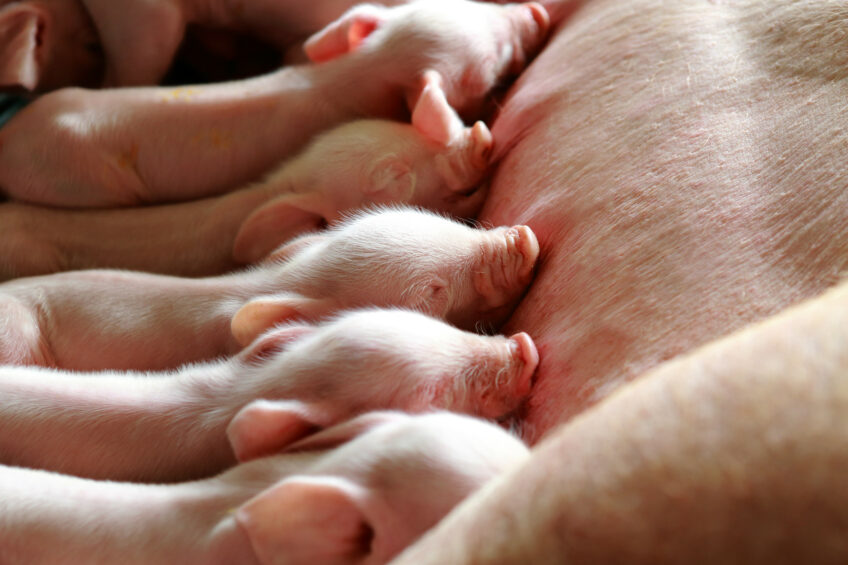
In pigs, Se — especially in organic forms — plays a crucial role in reproductive health and resistance to early-life diseases. Supplementing sows with organic selenium (Se) improves Se transfer to piglets through colostrum and milk, boosting antioxidant capacity and helping piglets better withstand post-weaning challenges and infections, such as porcine circovirus type 2 (PCV2) and post-weaning multisystemic wasting syndrome (PMWS). Studies have shown that organic selenium (Se) leads to superior antiviral effects compared to inorganic selenium (Se), particularly in reducing viral shedding and enhancing vaccine responses. L-SeMet is known to improve the activation and proliferation of T-cells (CD3+, CD4+, and CD8+), which are essential for mounting effective antiviral responses and improving overall piglet robustness.
In ruminants such as sheep, goats, and cattle, a Se deficiency causes white muscle disease, which is characterised by muscle degeneration, poor growth and high mortality in young animals. Se supplementation is vital for preventing these issues and supporting reproductive health. Se also plays a key role in immune function — a deficiency in Se impairs immune cells, increases the risk of infection and reduces the quality of colostrum.
Organic Se is more effectively transferred from mother to offspring, which can enhance neonatal immunity and survival. Studies have shown that organic selenium reduces bovine respiratory disease, boosts antibody titers against BHV-1, and improves serum and milk selenium levels during immune stress. Increased Se in colostrum may enhance IgG uptake in calves, supporting early immunity. Additionally, organic Se is associated with a lower prevalence of footrot in ruminants and superior neutrophil bacterial killing compared to sodium selenite, further emphasising its value for disease resistance.
Integrating the right source Se into nutrition
Selenium’s role in disease resistance across livestock species stems from its potent antioxidant and immunomodulatory effects. Se-dependent enzymes reduce oxidative stress, protect tissues and support recovery during infection. Se also enhances immune cell function, boosts antibody and cytokine production, and regulates inflammation. Importantly, adequate Se status may help limit RNA virus mutation rates — an increasingly relevant benefit in the current disease landscape. Research confirms that Se supplementation, especially with highly bioavailable L-SeMet (Excential Selenium 4000), can reduce the severity of disease and support growth and reproduction. Integrating optimal Se nutrition into broader health strategies is essential for improving livestock resilience and productivity.
Join 18,000+ subscribers
Subscribe to our newsletter to stay updated about all the need-to-know content in the pigsector, three times a week.