ASF Philippines: New pork import rules allow for regionalisation
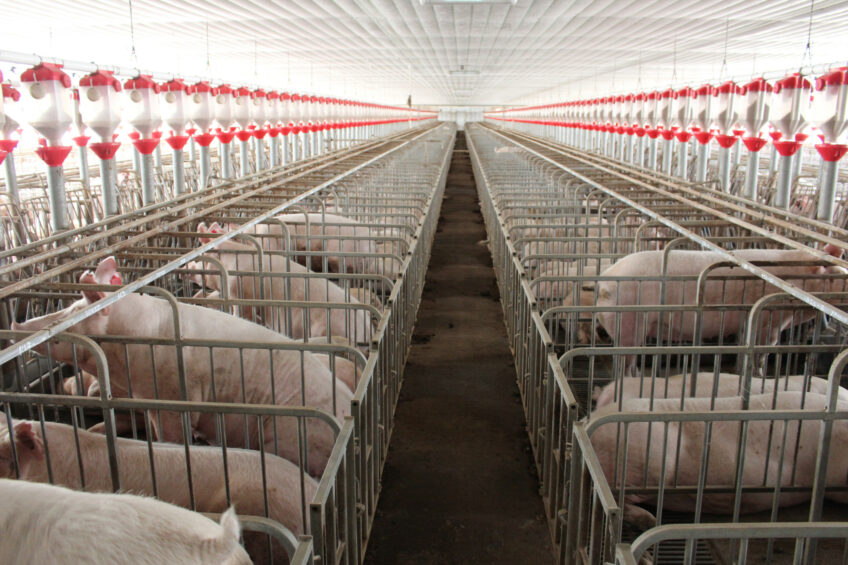
The Department of Agriculture (DA) in the Philippines has adopted new pork import regulations which include the possibility of regionalisation, while preventing the further spread of African Swine Fever (ASF) in the country.
Philippine agriculture secretary Francisco P. Tiu Laurel Jr issued the new rules to strengthen the country’s defences against ASF while ensuring safe imports of pigs and pork products.
The guidelines, which were released in a circular late 2025, introduce ASF regionalisation, allowing the recognition of ASF-free zones within accredited exporting countries, in line with the standards of the World Organisation for Animal Health. The regulations will be reviewed after 2 years to ensure its effectiveness and relevance.
National zoning and movement
The secretary said, “The government has been actively working to recover from ASF through a national zoning and movement plan, identifying areas already disease-free. This highlights the importance of science-based monitoring, regionalisation for ASF freedom and adherence to WOAH guidelines for safe pig trade.”
Bilateral recognition begins once both countries’ chief veterinary officers sign the agreement and when the DA has issued a memorandum order. The regulations require exporting countries to submit annual ASF status reports detailing surveillance, monitoring and control efforts.
All in all, the adoption of the regulations do not mean that ASF affected markets like Spain or Germany can start exporting again to the Philippines tomorrow. It means that a framework is now in place under which eventually regionalisation might become possible, once procedures have been followed and all boxes are ticked.
DA sets new farmgate price
Local Filipino pig producers are intended to benefit from the recently set PHP 210 (US$ 3.55) per kg minimum farmgate price for live pigs. That was the result of an agreement between the DA and stakeholders to set a minimum buying price to support the recovery of the local pig industry against the effects of ASF.
The DA also plans to reimpose a maximum suggested retail price for pork to protect consumers from unreasonable prices and balance “profitability” across the value chain.
CPF’s financial support to boost pig production
The agriculture secretary also recently welcomed a 5-year, US$ 1 billion expansion plan of the Philippines branch of Thai integrator Charoen Pokphand Foods (CPF). The aim is to boost pig production and help restore the country’s pig population to pre-ASF levels by 2028.
The plan, presented by CPF executive vice president Sakol Cheewakoset, is evaluating 9 locations nationwide for agro-industrial complexes, each covering about 20 ha. Every site will feature feed production and pig processing facilities, with each complex costing about US$125 million to build. Feed plants are expected to produce around 10,000 tons per month, which would require corn output from 5,000 ha.
CPF aims to raise its pig production capacity from 1.3 million to 7 million head by 2030; 4.8 million in Luzon – the northern part of the archipelago; 1 million in Visayas (the centre) and 1.2 million in Mindanao (the south).
Join 18,000+ subscribers
Subscribe to our newsletter to stay updated about all the need-to-know content in the pigsector, three times a week.