Enhancing swine performance and sustainability through Swine Prime
Modern pig production creates ideal conditions for microorganisms: warmth, moisture, organic matter and the continuous presence of animals. These reservoirs increase disease pressure, impair performance and can drive antibiotic use.
High hygiene standards support piglet health and productivity while improving sustainability through lower mortality, fewer treatments and reduced production losses. Programs must be practical and adapted to on‑farm realities.
Swine Prime is an advance hygiene program developed by CID Lines, An Ecolab Company, to cover both surface hygiene and drinking water hygiene. It was evaluated under commercial conditions for effects on hygiene efficacy, piglet outcomes and antibiotic use during maternity and nursery.
Biofilm as a reservoir of antimicrobial resistance
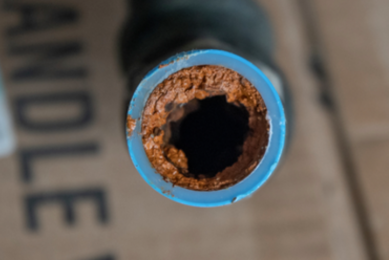
Drinking water systems are a major biosecurity challenge. Biofilms – microorganisms embedded in minerals and organic matter – form on the inner surfaces of water lines and can act as persistent pathogen reservoirs.
A longitudinal field study with Iowa State University’s Swine Medicine Education Center found:
- After a single cleaning/disinfection, biofilm returned within 72 hours.
- Composition differed by farm and water quality (hardness, pH, dissolved solids).
- Biofilms carried antimicrobial resistance genes, including to medically important classes.
- Water quality at drinkers differed from source water, especially after biofilm shedding.
In this study, biofilms were sampled and analysed to determine the presence of antimicrobial resistance genes.
Across sampled sites it was demonstrated that:
- 71% of isolates grown on antibiotic plates showed phenotypic resistance, including to antimicrobials commonly delivered via drinking water.
- From the resistant plates, 59% of the isolates grew on chlortetracyclines and 41% of the isolates grew on lincomycin drug-infused culture plates.
These results highlighted the importance of cleaning and disinfection during sanitary stop and the continuous drinking water disinfection during production to limit biofilm regrowth, stabilise water quality, and reduce pathogen spread and antimicrobial resistance risk.
Trial design: evaluating Swine Prime under commercial conditions
The Swine Prime program was evaluated in commercial farm settings in collaboration with Animal Data Analytics (ADA). A total of 2,163 sows and 24,814 piglets were monitored in a before-and-after trial done with control groups and Swine Prime groups.
Two batches of the control group were followed, meaning the farm’s existing hygiene protocol was applied. Six batches applying the Swine Prime program were followed afterwards. Sampling performed every 2 batches during maternity and nursery periods.
Barn hygiene in the control group consisted of an alkaline clean followed by disinfection using glutaraldehyde–QAC, phenolic, or PAA-based products. For water hygiene, hypochlorite- and hydrogen peroxide–based products were used.
In the Swine Prime program, barn hygiene involved cleaning with Kenosan, a strong alkaline cleaner, followed by broad-spectrum disinfection with Virocid. For water hygiene, the drinking water system was cleaned and disinfected using CID 2000.
Sampling was carried out pre‑cleaning (dirty surfaces), post‑cleaning and post‑disinfection. The microbial load (total aerobic bacteria) on surfaces in the environment was monitored and piglet mortality and antibiotic use during suckling and nursery stages.
Improved hygiene outcomes with Swine Prime
 Surface sampling demonstrated that the Swine Prime program delivered a significantly greater reduction in microbial load compared to the control program, particularly after disinfection. This reflected a more consistent and effective hygiene approach for next production cycles.
Impact of the Swine Prime program on pig health and antibiotic use
The improved hygiene standards achieved through Swine Prime translated directly into measurable production benefits:
 During the maternity period
- A significant mortality reduction of 16% during the suckling period compared to the control group.
- 4.7‑fold reduction in antibiotic use due to less incidence of digestive, respiratory, and lameness‑related treatments.
During the nursery period
- A significant mortality reduction of 14% during the nursery period compared to the control group.
- 1.5‑fold reduction in antibiotic use.
By lowering environmental pathogen pressure through better surface and water hygiene, piglets experienced fewer health challenges, reducing the need for antimicrobial interventions.
Sustainability benefits for swine production
The Swine Prime program contributes to sustainability on multiple levels:
- Animal health & welfare: Fewer disease challenges and improved early‑life performance.
- Antimicrobial stewardship: Reduced antibiotic use supports responsible use strategies.
- Production efficiency: Lower mortality means more piglets weaned and finished under the same conditions.
These improvements demonstrate that hygiene is not just a biosecurity measure, but a key driver of sustainable pig production.
Conclusion
Together, the Swine Prime field trial and the biofilm study underline the need for a holistic hygiene strategy that addresses both barn surfaces and drinking water systems.
Under commercial conditions, Swine Prime delivered:
- Improved hygiene efficacy
- Reduced mortality and antibiotic use
- Improved sustainability outcomes
By combining targeted cleaning, effective disinfection and robust water hygiene, Swine Prime offers a practical, evidence‑based approach to improve performance while supporting sustainability expectations.
Join 18,000+ subscribers
Subscribe to our newsletter to stay updated about all the need-to-know content in the pigsector, three times a week.