Canadian biosecurity system crosses the Atlantic
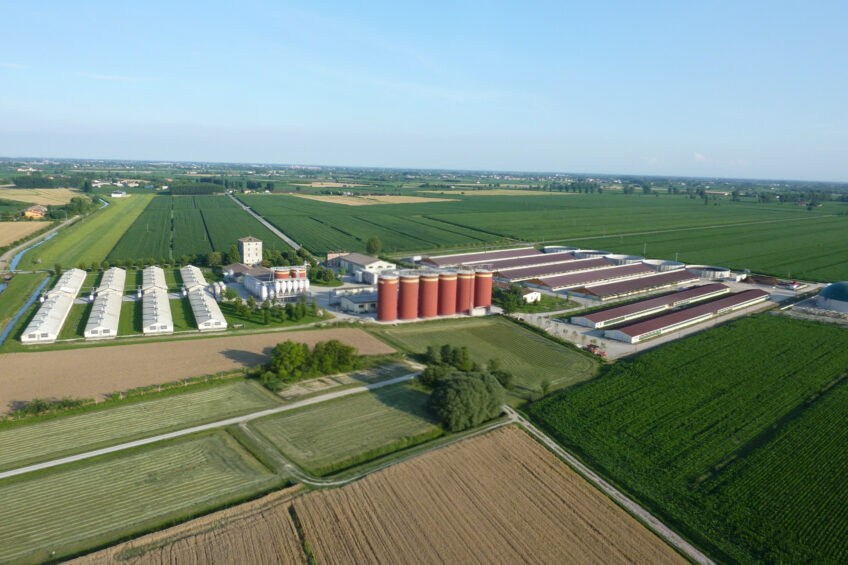
Canada’s farm biosecurity system Farm Health Guardian has jumped across the Atlantic Ocean to also be implemented at an integrated pig farm in northern Italy.
The system got installed at Bompieri Farms, one of Italy’s largest pig producers. The system is already installed on over 2,000 pig farms in Canada and the USA.
Launched in 2020 for swine and poultry farms, FHG is a patented system that controls barn entry using facial recognition technology and provides real-time alerts when people or trucks breach biosecurity protocols. The system enables automation of downtime and health status management, prevent of unauthorised barn access, and accelerated disease investigations with automated traceback reports.
Italy installation
The integrated Bompieri group operates across the entire production chain, from breeding to finishing, managing around 12,000 sows and operating 40 pig farms across northern Italy. Its approach combines animal health, biosecurity and animal welfare.
Owner Marco Bompieri said, “With frequent movements of people and vehicles on farms, biosecurity requires constant attention and reliable monitoring systems. The introduction of FHG represents a significant investment for us and marks the initial phase of a pathway in which we are assessing how new technologies can help strengthen the monitoring of access and movements on farms, improve traceability, and further enhance biosecurity practices at company level.”
The adoption of FHG is part of a broader biosecurity enhancement project in collaboration with the Italian veterinary institute IZSLER, headquartered in Brescia. The institute is supporting Bompieri in defining biosecurity protocols, conducting the scientific evaluation of the system and analysing the data collected, integrating them into the company’s on-farm health monitoring programme.
Biosecurity research results
Recent research showing that use of FHG improves biosecurity compliance was presented at the Allen D. Leman Swine Conference in September 2025 in St Paul, MN by Dr Erin Kettelkamp of Swine Vet Center in that same state.
Dr Kettelkamp found that “implementing the FHG platform improved visibility of transportation-related biosecurity compliance, though several refinements were required to optimise data accuracy. Geofences required review and adjustments to ensure accurate site boundaries, while GPS coordinates were verified to reduce false breach alerts.”
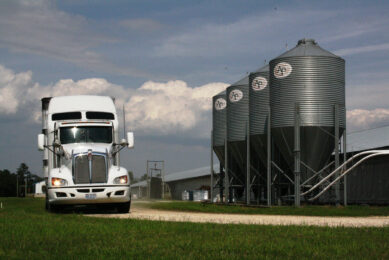
“Timely updates of site health statuses were essential for accurate classification of movements. Following these improvements, median weekly feed truck breaches declined from 81 to 12.5, while fleet vehicle breaches declined from 88 to 11. Breach counts were numerically similar across different biosecurity health statuses.”
Dr Kettelkamp added, “Study findings demonstrated that real-time, GPS-based monitoring can enhance transport and vehicle biosecurity compliance and increase awareness of breach risk. Widespread adoption of such technology may strengthen adherence to protocols and support more effective disease prevention and response strategies within swine production systems.”