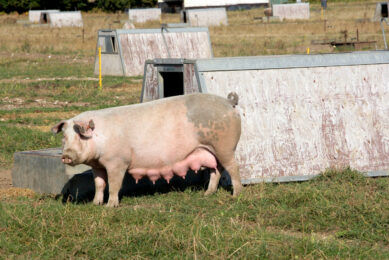
Bats at pig farms can pose a risk of virus transmission
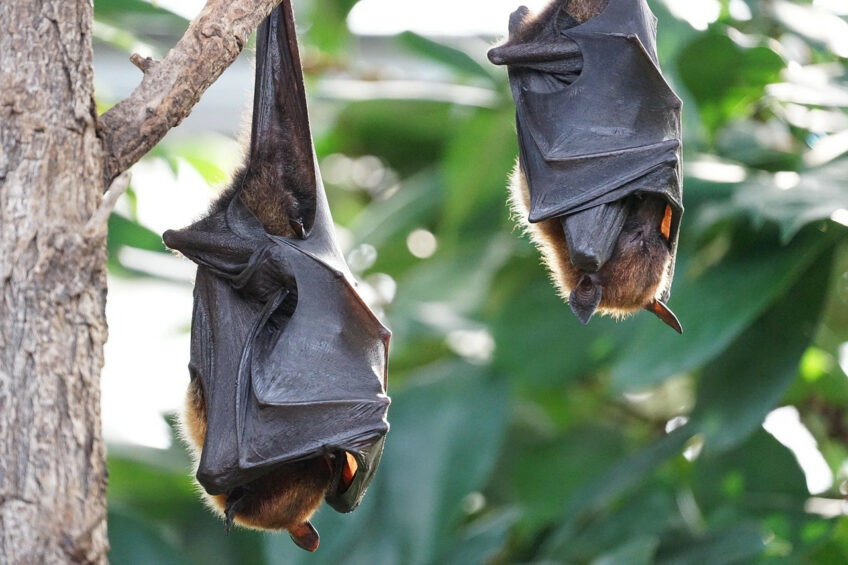
In northern Italy, at least eight species of bat (Chiroptera) use the areas around pig farms. Although this interaction may yield benefits for both species, the lack of physical barriers and gaps in biosecurity at pig farms could pose a residual risk of interspecies virus transmission, according to a study by the Italian institute for animal health, food safety and zoonoses, IZSVe.
“Reinforcing these measures could mitigate the risk of exposure to various coronaviruses (CoVs) and, more generally, to viruses associated with wildlife, ultimately contributing to improved coexistence between humans, livestock and wildlife,” the institute concludes.
Bats are recognised as natural reservoirs for various CoVs, some of which may have given rise to viral species that are harmful to humans and livestock, such as SARS-CoV-2 or porcine epidemic diarrhoea virus in pigs. However, the dynamics and mechanisms behind viral spillover into livestock or humans remain largely unknown.
Study
Researchers from IZSVe carried out a study to assess risk factors for virus transmission from bats to pigs, using the coronaviruses identified on selected farms in northern Italy as a case study.
“The interface between wildlife, livestock and humans constitutes a highly permeable boundary where infectious diseases with epidemic potential can emerge,” explains Stefania Leopardi, senior veterinarian and research coordinator. “We know that pig farms can serve as potential ‘hot spots’ for the spread and emergence of dangerous recombinant variants that may threaten both animal and human health. Accordingly, identifying new coronaviruses is key to assessing their capacity to adapt to pigs and humans, but it is equally important to understand the risk factors that could facilitate spillover events across animal species.”
Bat conservation oases
The study also highlighted that pig farms can act as bat conservation oases in rural landscapes dominated by intensive agriculture, where environmental uniformity is reducing biodiversity. In these settings, bats can deliver an important ecosystem service by controlling harmful insect populations, which may in turn reduce the need for pesticides. At the same time, the presence of bats is associated with a potential risk of exposing humans and livestock to the viruses they may carry.