ASF Poland/Germany: Polish farm infected with over 21,000 pigs
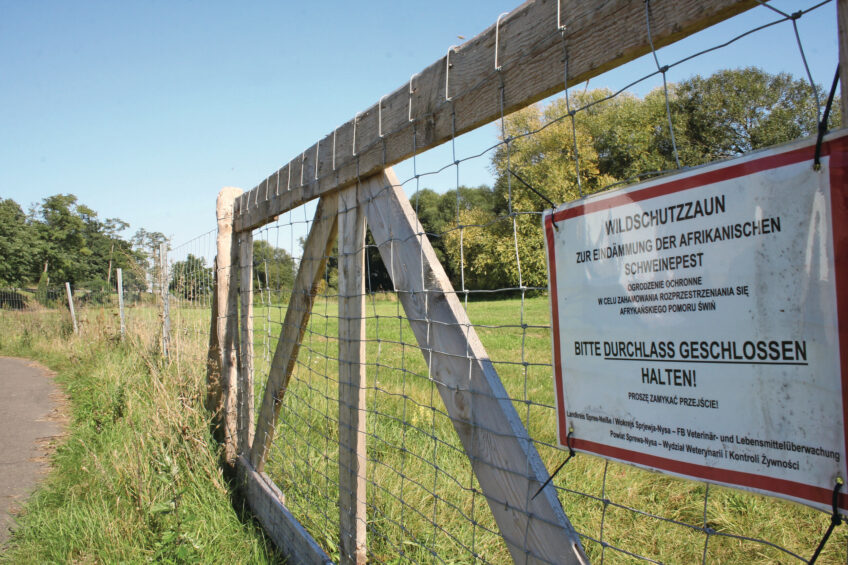
As every year, African Swine Fever (ASF) outbreaks affect the Polish swine industry when temperatures are rising. The first case happened relatively late in the year, yet it was one of the largest ones ever: a farm with 21,390 pigs in West Pomerania province. Meanwhile, in neighbouring Germany, the virus keeps expanding in wild boar populations in 2 states.
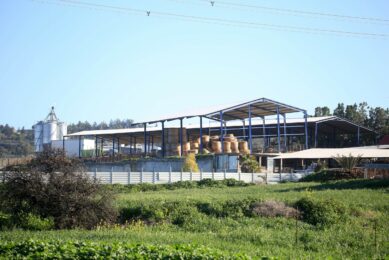
The Polish Central Veterinary Inspectorate reported that the outbreak took place in the village Jarosławsko in West Pomerania province in the north west of the country. The virus’ presence was confirmed on May 18. The farm is located at about 70 km from the border with Germany. Following EU protocols, all animals on-site will be culled.
The farm, which in total is the 571th to get infected, is the second-largest swine farm in Poland to get infected with ASF since the outbreaks started in 2014. A farm in 2020 had almost 24,000 pigs on-site. Of those 571 farms, only 5 farms had more than 10,000 pigs.
In 2025, all in all 18 farms in Poland were infected with ASF; in all sizes and different levels of professionalism.
In 2026, outbreaks in Poland’s wild boar population have been reported from the north as well as in the east of the country – on May 20, the tally was at 1,241 ASF infected dead wild boar for the whole of Poland. In comparison, in 2025, Poland reported 3,429 dead wild boar. The record year was 2020, when in total 4,156 infected wild boar carcasses were reported.
ASF in Saxony state
The virus also keeps the authorities in neighbouring Germany on edge – even though no swine farms have been infected in 2026 at that side of the border.
In Saxony, bordering Poland in the east of Germany, the viral disease continues to flare up. The number of infected carcasses in Saxony state has grown to 71, according to the official animal health database TSIS. The return of the virus to this state in April 2026 was rather ironic as Saxony had just reported to have been free of ASF virus – which is possible when the virus hasn’t emerged for 12 months. In total 45 infected carcasses were found in April 2026; in May 2026 the count is at 26.
In the previous “round,” the Saxony authorities reported 2,399 infected carcasses between October 2020 and February 2025.
The current outbreaks are occurring in an area about 10 km west of the border with Poland. Remarkably, no outbreaks amongst the wild boar population have been reported this year from the Polish side of that particular border. The viral activity of ASF in Poland is reported to be at least 200 km away from the cases in Saxony.
ASF in North Rhine Westphalia state
Infected zones in North Rhine Westphalia state – in the west of Germany – also needed a recent adjustment. In total 9 infected wild boar were found in Netphen municipality. As the crow flies, this is about 7 km south of previously known cases.
It is just another confirmation that the virus is far from under control in this part of Germany. Outbreak levels here continue to break local record levels – with the total number of casualties amongst the wild boar population now being at 701. TSIS data show that in March 2026, 124 fresh cases were reported, which was followed by April (137). May also appears to exceed 100 reports, as the count is already at 90 with 11 more days to go.
Also geographically, the outbreaks appear to be difficult to be kept under control. Outbreaks have now been reported in 8 municipalities spread out over 3 districts:
- Olpe (348)
- Siegen-Wittgenstein (325)
- Hochsauerlandkreis (28)
How many wild boar inhabit the infected zone?
Germany’s leading agricultural title Top Agrar reported that the NRW ministry of agriculture aimed to get an idea how many wild boar were living in the inner restricted zone in North Rhine Westphalia state. To that end, they used thermal imaging drones in February and March 2026.
The outcome was that about 400 wild boar would be living in the Olpe district and about 95 animals on the Siegen-Wittgenstein district – at the time the inner restricted zone did not include Hochsauerland district. As the breeding season has since commenced, the number is now estimated to be at about 1,500 animals.
Join 18,000+ subscribers
Subscribe to our newsletter to stay updated about all the need-to-know content in the pigsector, three times a week.