ASF Germany: Saxony state free of ASF after 5.5 years
Germany’s state Saxony has been declared free of African Swine Fever (ASF) after a coordinated battle of 5.5 years. The last case of ASF happened just over a year ago.
February 5, 2026, marked exactly 1 year since the last case of ASF was confirmed in a wild boar in Bautzen district. That means there are no longer any active cases in Saxony, i.e. ASF is considered eradicated.
Since October 31, 2020, a total of 2,399 cases of ASF were confirmed in Saxony. Most likely, the virus entered Eastern Germany through migrating wild boar from Poland, across the border river Neisse.
No pig farms infected in Saxony state
Even though to date, 19 German farms got infected with ASF, none of them was in Saxony state, see also the illustration below. In 2023, when the outbreaks were at their largest, the restricted zones due to ASF covered about one-third of Saxony’s area, Germany’s leading agricultural title Top Agrar wrote.

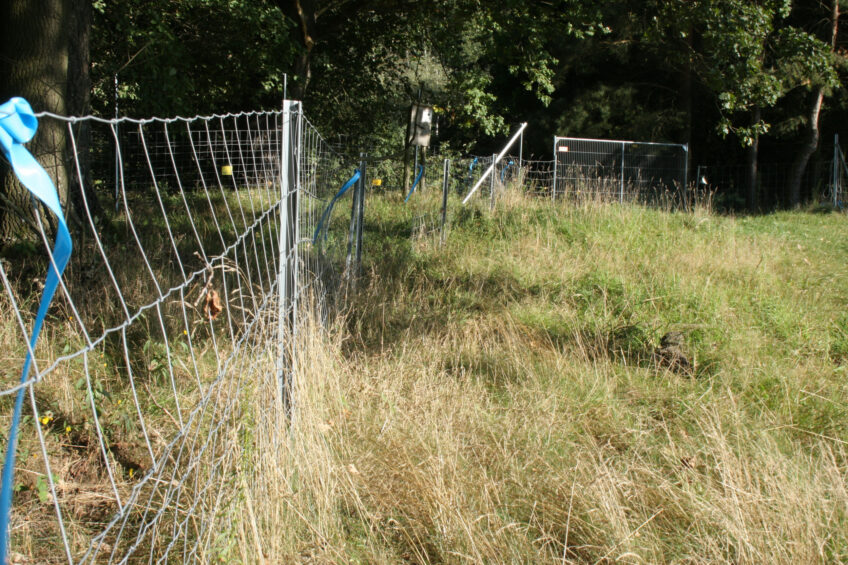
All in all, Saxony state spent around €60 million on fighting ASF. In total, the authorities erected around 830 km of protective fencing to restrict the movement of wild boar. Around 480 km of the fencing has already been dismantled. Hunters aimed to reduce the wild boar population and intensive surveillance was employed. Local hunting rights holders, as well as forestry and government employees, supported the 35 specially trained carcass search dogs and drone teams.
Ministry applies to lift restricted zones
The state ministry of social affairs will apply to the EU Commission this month to lift the restricted zone in the Bautzen district. The protective corridor along the border with Poland in the Görlitz district, consisting of two parallel fences, will remain in place until ASF has been eradicated in the adjacent areas of Poland and the restricted zones there are also lifted.
For pig farms, the special trade certificates previously required for moving pigs out of the restricted zones are no longer necessary. However, the ban on feeding food scraps to pigs and general preventative measures such as biosecurity on pig farms remain in effect.
It doesn’t mean that the virus has disappeared from the whole of Germany. The country is subdivided into 13 states and 3 city-states. In 7 of the 13 states, wild boar have been reported infected with ASF in recent years. In the east, adjacent to the Polish border, that included the states Mecklenburg-Vorpommern, Brandenburg and Saxony. Of these 3, now only Brandenburg has not been declared free of ASF, but it is not expected to take much longer before that will happen.
NRW state: “The 2nd phase of ASF fighting begins”
Meanwhile, in North Rhine Westphalia state, more to the west of Germany, the fight is in a different stage, as it emerged much later there. At the moment the number of infected wild boar is 332 (February 12, 2026). State minister Silke Gorissen emphasised that hunters must now start reducing the wild boar population.
At a recent press conference, she said, “Our primary goal was and remains to prevent the spread of ASF. So far, we have succeeded in this. Now we are entering the next phase of combating ASF: The faster the wild boar population in the core area is reduced, the faster ASF will be defeated.”
Meanwhile, the cadaver dog teams continue their daily search for dead wild animals. The 24 search dogs, along with full-time and volunteer handlers, are supported by teams from Rhineland-Palatinate. Total length of protective fencing is now 216 km, Top Agrar wrote, enclosing the core infected area within the 664 km² restricted zone II.
Join 18,000+ subscribers
Subscribe to our newsletter to stay updated about all the need-to-know content in the pigsector, three times a week.