Beyond antibiotics: Wood lignans as a new tool for steady performance
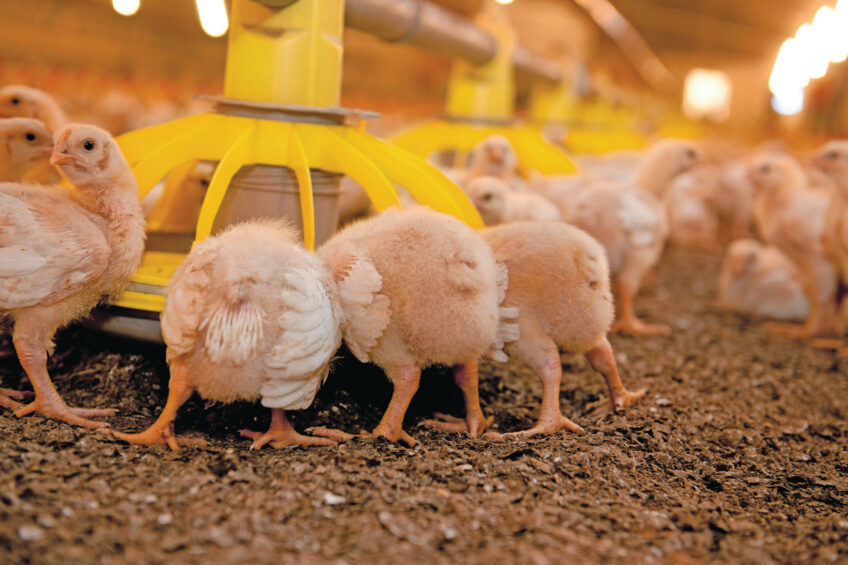
Food safety, animal welfare, microbial resistance and sustainability are crucial topics requiring natural feed solutions. Beyond infectious challenges, the real battles we need to conquer are often unseen, such as chronic inflammation which silently hinders performance.
Antibiotic Reduction: Embracing best practices – read all articles
Low-grade, chronic inflammation and oxidative stress in the intestinal tract consume energy, amino acids and other nutrients and leave less for performance. The processes compromise gut integrity and the digestibility of nutrients. Reduced feed efficiency, poor growth rates, fewer eggs laid, prone to other disruptions and infections – all symptoms start in the inflamed gut. The result: lossof productivity, increased use of medications and additional costs. Although triggers vary, key mediators are largely the same across species, so addressing the mediators is essential for enhancing productivity.
Conquering the impact with wood lignans
Wood lignans are specific, natural polyphenolic compounds. As bioactive substances naturally occurring in the wood of certain tree species, scientific studies have demonstrated their remarkable anti-inflammatory and antioxidative properties. By limiting the inflammatory response and minimising the extent of oxidative challenges through their effects on key mediators, they provide a natural tool in production systems that use little or no antimicrobials, effectively supporting the animal gut to boost productivity.
Chain reaction of proven benefits
Impaired gut health, lower digestibility and energy deficiencies all contribute to higher production costs. As feed conversion is not optimal under conditions of chronic, low-grade inflammation, fattening periods may be extended to achieve the target yields. With more disease pressure potentially present, mortality may increase.
Supplementation of wood lignans leads to a series of benefits, as has been shown by several studies. Less inflammation enables a functioning gut overall: improved gut integrity leads to optimised digestion while providing opportunities for beneficial microbes further contributing to enhance feed efficiency and performance (Theapparat et.al., 2024a, b). In a German research study with broilers, a wood lignan-based formulation has had substantial positive effects on performance (live weight & FCR) and digestibility by significantly increasing protein digestibility (+2.4%-units) and improving the digestibility of minerals (Calcium +3.1%-units; Phosphorus +1.4%-units; Table 1).
Further effects on carcass and meat quality
The impact of chronic inflammation and oxidative stress extends beyond gut function – it affects the whole metabolism from nutrient utilisation to carcass yield and meat quality. As the immune system responds to stressors, it releases significant quantities of reactive oxygen species (ROS), tipping the balance towards oxidative challenge and potentially some level of cell damage. One major consequence is lipid peroxidation, which compromises muscle cell membranes by breaking down polyunsaturated fats. This can set off a cascade of quality losses: altered smell, taste, texture, colour, along with higher cooking loss and shorter shelf life.
Figure 1 – Carcass yield and breast meat share of broilers as influenced by wood lignans

In broilers supplemented with wood lignans, these effects were significantly reduced. There was a notable increase in carcass yield and breast meat percentage, indicating more efficient muscle growth, even higher compared to the groups fed with antibiotics (Figure 1) (Research trial from Brazil). In a separate trial, lignan-fed birds retained more moisture and had less water loss during cooking compared to the control and antibiotics group – a sign of improved muscle integrity and reduced oxidative damage (Figure 2). These results underline the potential of lignans to maintain performance and meat quality in modern, antibiotic-free poultry production systems.
Figure 2 – Water retention capacity and water loss by cooking of meat from broilers as influenced by wood lignans

Better growth and improved FCR
Various feeding trials demonstrate the increase in production efficiency through better growth and improved FCR by using bioactive lignans, reaching average and consistent improvements in live weight and FCR of +4.0% and -4.8%, respectively. All effects contribute towards a consistent return-on-investment calculation of >5:1 on average,making wood lignans highly profitable, especially when considering benefits and overall welfare.
Conclusion
The transition away from routine use of antibiotics – whether for growth promotion or prevention – and the global goal of minimising their use is not about replacing one input with another. It represents a fundamental shift towards preventive, sustainable and proactive gut health management.
By reinforcing the animals’ natural resilience, lignans contribute to fewer setbacks, fully utilise the performance potential for more consistent results, while aligning with growing regulatory and consumer expectations. For producers ready to thrive in a future less dependent on antibiotics, lignans are a natural spark for the wallet and for a step towards sustainable, antibiotics-free animal production.
References are available upon request