Optimising piglet vaccination: A structured approach to minimise failures
In our previous article, we highlighted that vaccination is a fundamental pillar in swine health management, yet its success depends on a complex interplay of factors beyond the vaccine itself. The Ceva Piglet Ideal Growth (P.I.G.) program offers a structured, adaptable framework to identify and improve these factors, aiming to reduce vaccine failures and enhance herd immunity.
The P.I.G. program divides the vaccination process into 3 critical phases: pre-vaccination, vaccination, and post-vaccination. Each phase includes specific control points that influence the quality and effectiveness of immunisation.
 Pre-vaccination phase: laying the groundwork
This phase focuses on preparation and planning, which are essential to avoid errors and ensure consistency.
- Farm structure and health status: Farms with single-phase production (e.g., nursery-only) tend to have better vaccination outcomes due to reduced pathogen pressure. In contrast, closed-cycle farms face higher risks of sanitary breaks. Weekly batch management is recommended to reduce horizontal disease transmission.
- PRRS and immunosuppression: The presence of Porcine Reproductive and Respiratory Syndrome (PRRS) virus at the time of vaccination significantly compromises immune response. Sick animals or those already infected with the target pathogen should not be vaccinated or, at least, not the first ones of the vaccination session.
- Team formation and role assignment: A well-organised vaccination team with clearly defined roles is crucial. Each member must understand their responsibilities, from handling animals to administering doses. The presence of a team leader ensures coordination and accountability.
- Animal headcount and health assessment: Accurate headcounts prevent vaccine wastage and ensure sufficient doses are prepared. Animals should be triaged before vaccination, prioritising healthy individuals and postponing vaccination for those showing signs of illness.
- Equipment inspection: All vaccination tools – syringes, needles, backpacks – must be clean, calibrated, and used exclusively for vaccination. Needle size must match the age of the piglets to ensure proper inoculation and minimise tissue damage. Needles should be changed every litter on farrowing or every 15-20 animals in case of nurseries.
- Vaccine storage and handling: Vaccines are thermolabile and photosensitive. They must be stored between 2-8°C in dedicated refrigerators, away from light and heat. Daily temperature logs and proper organisation (e.g., grouping by expiration date) are essential to maintain potency.
- Vaccine preparation and warm-up: Vaccines should be warmed to 25-30°C before administration to reduce pain and adverse reactions. Reconstitution must follow strict protocols, and mixing with other products should only occur if interactions are well understood.
 Vaccination phase: precision and welfare
This phase involves the actual administration of the vaccine, where both technical accuracy and animal welfare are paramount.
- Occupational safety: Operators should wear appropriate Personal Protective Equipment (PPE), including gloves, boots, and overalls. A safe and comfortable working environment improves staff performance and animal handling.
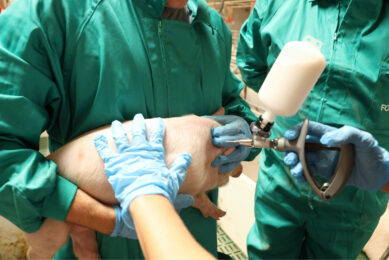
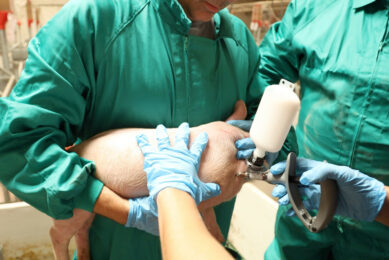
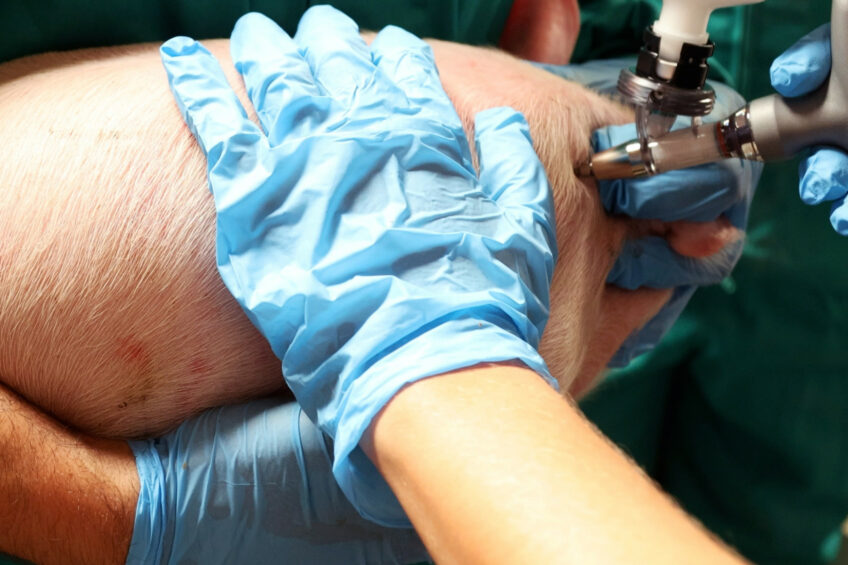
- Animal management: Piglets must be handled calmly and respectfully. Stress negatively affects immune response, so animals should be grouped and moved gently. Vaccination should never occur on the ground, and piglets should be held securely during inoculation.
- Inoculation technique: Vaccines are typically administered intramuscularly in the lateral cervical muscle. Proper technique includes needle insertion, energetic delivery of the dose, and checking for reflux. Animals showing reflux should be considered non-vaccinated and re-dosed if necessary.
- Needle management: Damaged or overused needles can cause abscesses and compromise vaccine delivery. Regular changes and proper hygiene are essential to maintain efficacy and animal welfare.
 Post-vaccination phase: ensuring traceability and improvement
The final phase focuses on clean-up, documentation, and evaluation.
- Equipment cleaning and storage: All tools must be cleaned with warm soapy water and disinfected monthly or after vaccinating 3,000 animals. Disposable items should be discarded appropriately.
- Vaccination report: Observations during the session – including vaccine usage, adverse reactions, and equipment performance – should be recorded. This facilitates traceability and supports future audits.
- Monitoring and feedback: Continuous improvement is a core principle of the P.I.G. program. Follow-up audits and feedback loops help ensure that recommended changes are implemented and sustained over time.
Conclusion: a dynamic tool for sustainable improvement
The Ceva P.I.G. program transforms piglet vaccination from a routine task into a structured, measurable process. By addressing each phase with precision and care, farms can significantly reduce vaccine failures and improve overall herd health. This approach not only enhances immunisation outcomes but also fosters a culture of responsibility and continuous learning among farm personnel.
Join 18,000+ subscribers
Subscribe to our newsletter to stay updated about all the need-to-know content in the pigsector, three times a week.