Training programme PigLearn available across Canada
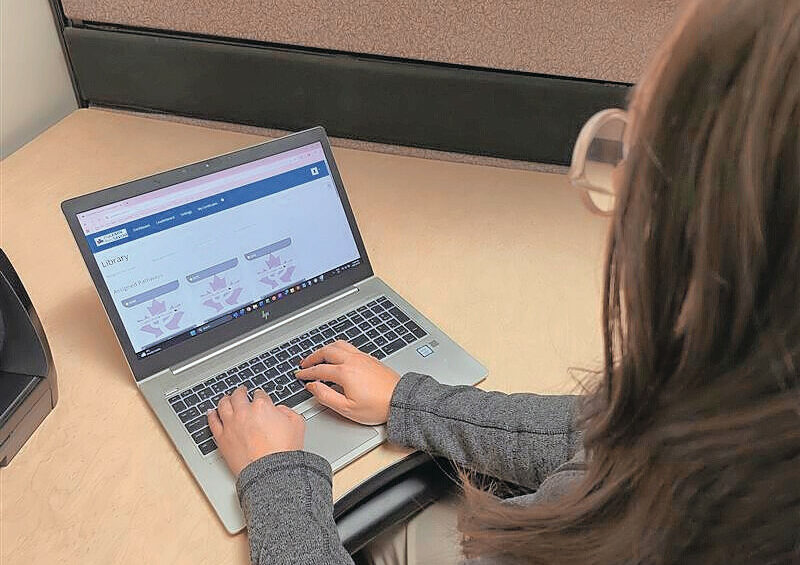
PigLearn, an online training platform developed to enhance skills and boost productivity within Canada’s swine industry, is celebrating 1 year of roll-out. It is now available from coast to coast.
“The platform currently has hundreds of users from across Canada working on it, and use is growing steadily,” says Mark Fynn, training resources coordinator at the Canadian Pork Council (CPC).
Self-paced pig learning experience
PigLearn offers a self-paced learning experience with a wide range of educational content, including 96 training modules, interactive quizzes and other learning resources.
In the modules, narration is provided in English with the availability of subtitles in Spanish, Tagalog (Filipino) and Ukrainian, and also in French with Spanish subtitles. That accommodates native-born Canadians and most of the temporary foreign workers and permanent workers who have immigrated to Canada to work in the pig farming sector.
Inside the platform
PigLearn’s modules cover topics such as biosecurity, pig handling, group sow housing and other animal practices, Fynn explains, making the platform “well suited for farms of any size to use immediately.”
All the modules form a good basis for onboarding new barn workers, covering all best practices for regular husbandry tasks. ‘They set a good foundation for the subsequent hands-on training workers will receive’, says Fynn. ‘Some of the training, like the 10 modules on pig handling and the 15 modules on biosecurity, is being used in orientation training for newly hired staff. These modules contain essential information to even just begin working on a hog farm.’ Content of the modules also acts as a good refresher and provides useful tips for seasoned workers, says Fynn.
For companies, PigLearn’s administrative portal allows supervisors to register and manage trainees, track their progress, issue training certificates and so on. “Companies can benefit even more from the platform by administering their own users and uploading their own training content,” Fynn notes, “which can include Standard Operating Procedures, videos, customised quizzes, assignments, etc.”
Individual farmers using the system can monitor their own progress and compete with others if they wish.
Continual improvement
Currently, CPC is focusing on optimising the online browser platform according to user feedback. CPC is also working with workplace health and safety representatives from across Canada to develop a suite of about 20 training modules on worker health and safety. “These will be available within the next year,” says Fynn. “There are also plans in the works for some more husbandry-related modules”