Pig farms facing higher energy costs due to Middle East war
The recent war between Iran, Israel, and the United States may not directly affect swine farms, but producers worldwide will feel indirect effects — mainly due to sharply rising energy prices.
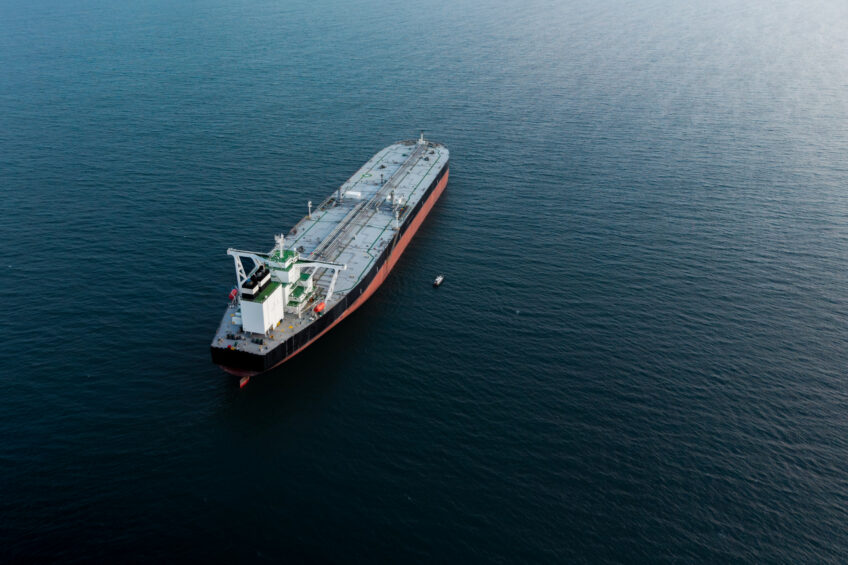
After all, the Middle East is where a large proportion of the world’s oil and oil products originate from. About 20% of global supply of global oil and liquid natural gas, and also about 10% of all diesel, will pass through the Strait of Hormuz between the United Arab Emirates and Iran. Goal: to make the oil and oil products reach open sea to become available for the world market. As a consequence of the war, through traffic through the Strait has become a safety risk and many ship captains choose for now not to pass, waiting for things to calm down.
Prices for barrel of crude oil
The result can be felt on the international energy markets. For instance, this week, the price of a barrel of crude oil rose above US$ 100 per barrel for the first time since 2022. Just before the war, it hovered around US$ 73. Those prices, obviously, translate into higher prices for petrol, red diesel or energy and will affect the livestock industries anywhere on the planet.
All this makes the price higher than in 2022, when Russia invaded Ukraine and energy prices also shot up.
The war also causes price increases with fertilisers, as the blocking of the Strait of Hormuz also affects the global nitrogen and phosphate markets. This affects markets on both sides of the strait – also in South East Asia fertiliser prices have shot up.
Effects on the poultry markets
Contrary to pig production, poultry is both being consumed and produced a lot in the Middle East. Those markets will be affected more severely, wrote Rabobank analyst Nan-Dirk Mulder in a recent overview about the Middle East poultry market, which in his analysis includes Iran, Afghanistan and Turkey.
He said, “Despite representing only 8% of global market size and almost 15% of global trade, the region accounts for nearly 10% of global production growth, supported by population growth, rising chicken consumption, and food security programmes. The outbreak of the Iran war has disrupted supply chains, trade flows, and input availability, pressuring import markets, especially highly dependent ones.”
Effect on agricultural commodities
For now, agricultural commodities appear not to feel the effects of the war that much. Prices for wheat and other grains have barely increased, German agricultural title Top Agrar wrote.
On the Dutch market, prices for by-products like for instance steam potato peels or wheat bran have also remained stable, wrote the Dutch agricultural title Boerderij.
Should the war persist, and transport costs would become higher, than it is expected that in the long run, feed prices will rise as well.
Future developments
How energy markets will further develop, depends heavily on what happens in the Middle East and how long the attacks there persist. In particular, 2 factors are important for energy prices: when ships can pass through the Strait of Hormuz again and the extent of damage to production facilities.
Attacks on oil depots and oil installations have taken place at various locations in both Iran and surrounding countries. In other cases, production facilities, like gas production plants, have temporarily been shut down.
Composed with input of colleague Kirsten Graumans.