China imposes tariffs on EU pork
China has for sure decided to impose import tariffs on European pork – even though they are lower than initially feared. From a Chinese perspective, European exporters would be “dumping” cheap pork on the Chinese market, which is said to be harming domestic businesses.
The Asian country opened a dumping investigation into pork after the European Union imposed import tariffs on electric cars.
China previously announced provisional duties based on the interim findings of a dumping investigation. Now that the investigation is complete, the additional import duties will take effect for a period of 5 years. The tariffs mostly affect deliveries from Spain, Denmark and the Netherlands.
Link to electric cars
China and the EU have been harassing each other with tariffs aimed at countering the harmful effects of alleged dumping. According to Brussels, the European import tariff on Chinese electric cars was intended to combat unfair competition. Government subsidies would allow Chinese car manufacturers to offer their products more cheaply on the European market, and the additional tax was intended to offset this.
The final tariffs are a setback for the European pork sector, although they are lower than previously announced. The tariffs are often passed on to customers, which can make EU meat less attractive in China. In recent years, China has already become a less important market for European pork.
Dutch meat sector denies price dumping of pork
When asked, the meat sector in the Netherlands denies that pork is being dumped on the Chinese market. The Dutch industry organisation Vlees.nl claimed the allegation of dumping is not true and the meat prices are determined by market forces.
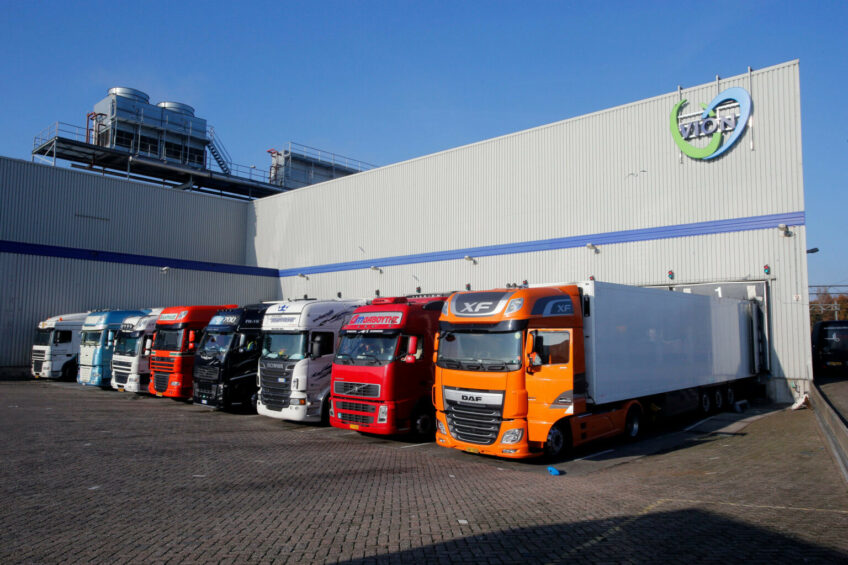
Meat processor Vion, among others, is affected by the duties. Pork from 4 of the processor’s locations will face a tariff of 19.8%. The import tax for several other Dutch meat companies has been set at 9.8%. China previously announced higher provisional duties.
Join 18,000+ subscribers
Subscribe to our newsletter to stay updated about all the need-to-know content in the pigsector, three times a week.