Backlog returns for British pig farmers
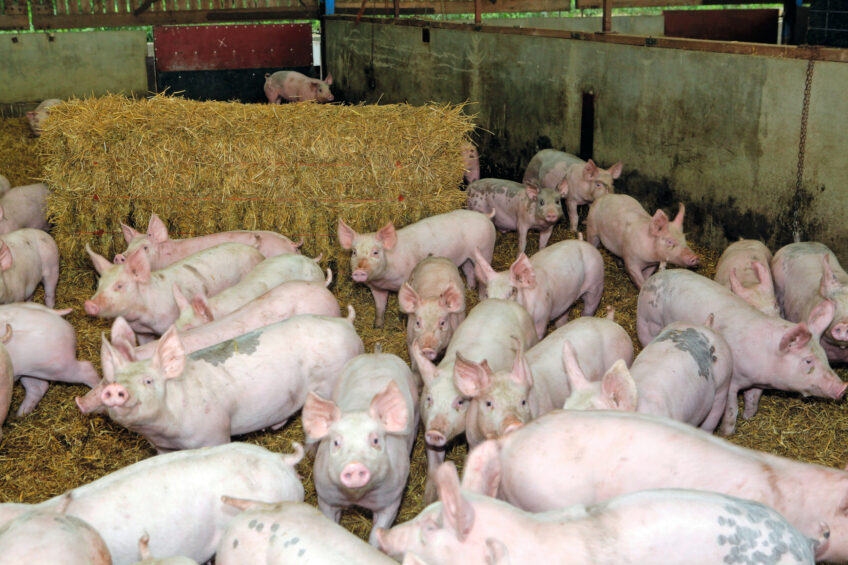
British pig farmers are once again facing a backlog of animals on their farms. Processors are unwilling to take extra pigs due to weaker demand, while input costs are rising because of the situation in the Middle East, according to the National Pig Association (NPA).
As a result of these pressures, the average dressed carcass weight increased from 91.7kg in December to 93.7kg at the end of March, according to the Department for Environment, Food and Rural Affairs (Defra). In March, pig meat production reached 89,000 tonnes, a strong 11% increase compared with the same month last year.
Familiar with backlogs
The UK pig sector is familiar with backlogs. The last major disruption occurred in 2021 and 2022, first because of Covid-19 and later because Brexit led to severe labour shortages in slaughterhouses and meat processing plants, as many EU workers left the country. In recent years, the situation had stabilised, but now the problems have returned. “We do not appear to be at the levels seen in 2021 and 2022. But it is substantial, sustained and stubbornly unshifting,” the NPA said.
Supply and demand
According to the NPA, the issue is largely one of supply and demand. Pig farmers had received positive signals from buyers about the market and responded by increasing production. However, in recent weeks, demand for pork appears to have weakened slightly. In addition, processors have experienced technical problems at some of their factories. “An unfortunate confluence of events,” the NPA concluded.
The British Meat Processors Association (BMPA) provided Pig Progress with further explanation: “We are still seeing the effects of plant closures before Christmas following over-running maintenance work and post-Christmas abattoir refits. We are aware that some backlogs still persist in certain areas and processors are working closely with producers and producer groups to manage this.”
Lower mortality rates
The organisation also pointed out that the national pig herd may have grown again in 2025, partly driven by lower mortality rates. “It is clear that a large proportion of pigs still come from the independent sector, and all pigs face welfare concerns if they are held back on farm for too long. Therefore, processors are having to manage supplies of pigs from all suppliers, irrespective of whether they are independents or part of fully integrated supply chains.”
Positive news
There is, however, some positive news from the market. Figures from the Agriculture and Horticulture Development Board (AHDB) show that the UK is exporting significantly more pig meat. In February, exports totalled 29,300 tonnes, up 15% on January and 24% compared with February 2025. Exports to China increased strongly, while within the EU more British pork was sold to Germany, Denmark and Poland.
At the same time, imports fell by 5% year on year to 56,100 tonnes, with shipments from the Netherlands showing the sharpest decline.
Join 18,000+ subscribers
Subscribe to our newsletter to stay updated about all the need-to-know content in the pigsector, three times a week.