Aurora to invest €200 million in the pig production chain
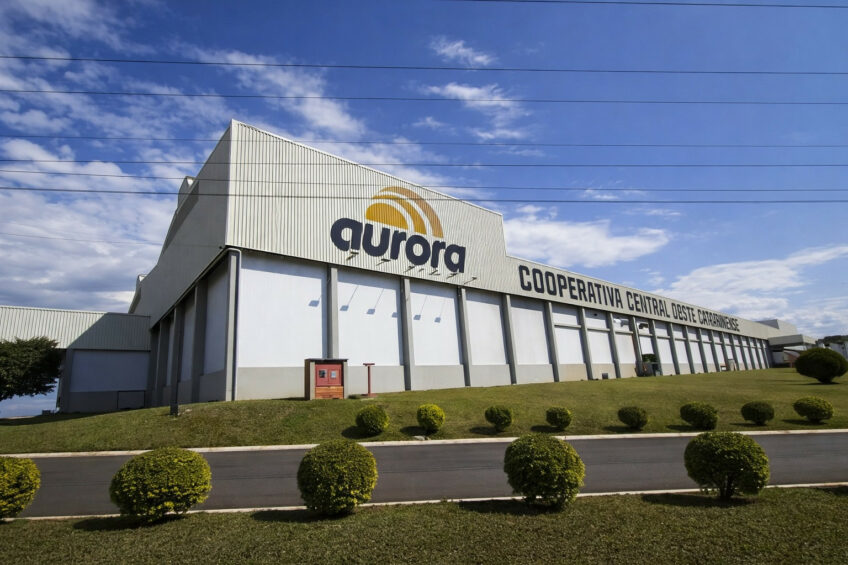
Brazil’s cooperative Aurora has confirmed an investment package of €200 million for 2026, aimed at modernising and expanding its industrial structure, particularly in pig production.
The plan reinforces the cooperative’s strategy to strengthen its presence in a segment that has been gaining importance both in the domestic market and in exports.
The main project within the programme will be the construction of a new slaughterhouse in São Miguel do Oeste, in the western region of the state of Santa Catarina state in the south of Brazil. That is where the cooperative already operates a facility. The new unit is expected to absorb around half of the total investment, making it the largest single project within the plan.
Replacing an old slaughterhouse
The facility will replace the slaughterhouse currently operating in the municipality, which was inaugurated in 1980 and is now considered outdated in light of current sanitary, technological and operational standards.
The current São Miguel do Oeste plant processes around 2,000 pigs per day. In the new project, capacity is expected to reach about 5,000 animals per day by the 2nd half of 2027. The new slaughterhouse will be equipped with modern technology, updated sanitary certifications, improved working conditions and greater energy and operational efficiency.
In an interview with the Brazilian media Globo Rural, Aurora Coop’s president, Neivor Canton, said, “The domestic market has been consuming pork protein more intensively. We have already grown in this area, and we believe there is still room for further expansion.”
Aurora’s total pig slaughter capacity
With the expansion of the plant, the cooperative’s total slaughter capacity will grow from 34,000 pigs per day to about 37,000 animals per day, once the new unit becomes operational. In the medium term, the strategic goal is to reach 46,000 pigs slaughtered per day, expanding Aurora’s share of the Brazilian pork market.
The cooperative’s 8 pig processing plants slaughtered 8.2 million animals in 2025, an increase of 2.6% compared with the previous year.
Aurora: Active in pigs, poultry, dairy and much more
Aurora operates across several segments of the protein sector, including poultry, pigs, dairy products, pasta, seafood, vegetables and, to a lesser extent, beef. Despite global geopolitical instability, production indicators have remained positive.
The new investment cycle follows a year of significant expansion. In 2025, the cooperative invested €161 million in its industrial operations, mainly in expanding facilities linked to poultry production.
The cooperative’s domestic sales increased by 13.5% in 2025, reaching €2.86 billion, with pork and poultry standing out. Pork alone generated €1.72 billion in revenue, reflecting the growing consumption of the product in Brazil.