ASF vaccine and automatic feeding in Pig Progress 9
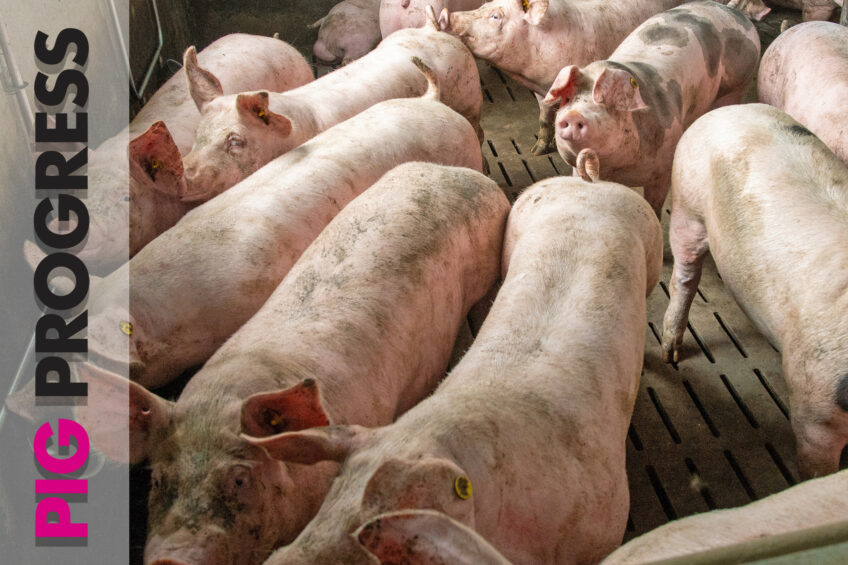
The latest edition of Pig Progress is now available online and includes an in-depth look at the Chinese pig genetics market, highlighting new opportunities and challenges. It features expert columns on innovations in bio-utility and targeted nutrition, and explores how artificial intelligence is transforming the role of pig nutritionists. Readers can also discover practical insights from a French pig farmer using automatic feeding stations, an interview on promising developments toward an African Swine Fever vaccine, and advice on retaining farm staff.
China is on the radar of pig genetics companies
It’s all eyes on the Chinese market, once again. Many pig breeding companies sense that a new round of opportunities has commenced. In this article on pages 6-8, Pig Progress takes a look at opportunities and threats in the Chinese pig breeding market.
Column: The rise of bio-utility and targeted nutrition
Advances in coating technologies and formulation design are transforming additives from generic enhancers into precision tools. These can deliver nutrients exactly where they’re needed, writes swine nutrition technology expert Dr Casey Bradley in her column on page 9.
The demise of the pig nutritionist?
Today, the traditional role of the pig nutritionist stands at a crossroads. Artificial intelligence, precision feeding systems, and next generation of AI application are rewriting the rules of how feed is formulated, delivered, and monitored. What’s next for nutritionists? Pages 12-13.

The bigger picture
Pictured are pigs at a pub in Linwood in the UK. The local pigs are encouraged to find the fallen acorns and chestnuts. Pages 14-15.
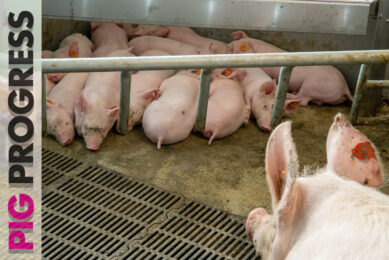
More homogeneous pigs with automatic feeding stations
The theory is promising: automatic feeding of finisher pigs brings many possibilities. French pig farmer Jean Michel Langlais is experiencing the benefits firsthand. His automatically fed pigs develop in a very homogeneous way and reach their target weight on time before delivery. Pages 16-19.

Interview: Solving the complex puzzle of creating an ASF vaccine
MSD Animal Health has announced to have made major steps towards the development of a vaccine against African Swine Fever (ASF). And even though it’s too early to say when it can be marketed, first trials and underlying science look positive and hopeful. Lead researchers Dr Erwin van den Born and Dr Ruud Segers share which road they took to get there. Pages 20-22.
Column: Tips for retaining staff
One of the difficulties at farms is to find and retain good staff members. Welfare and production expert Dr Irene Camerlink sums up what can be learnt from some farms that have shown to be successful in attracting and keeping staff. Page 26.