Fibre-rich diets for pigs: pros and cons
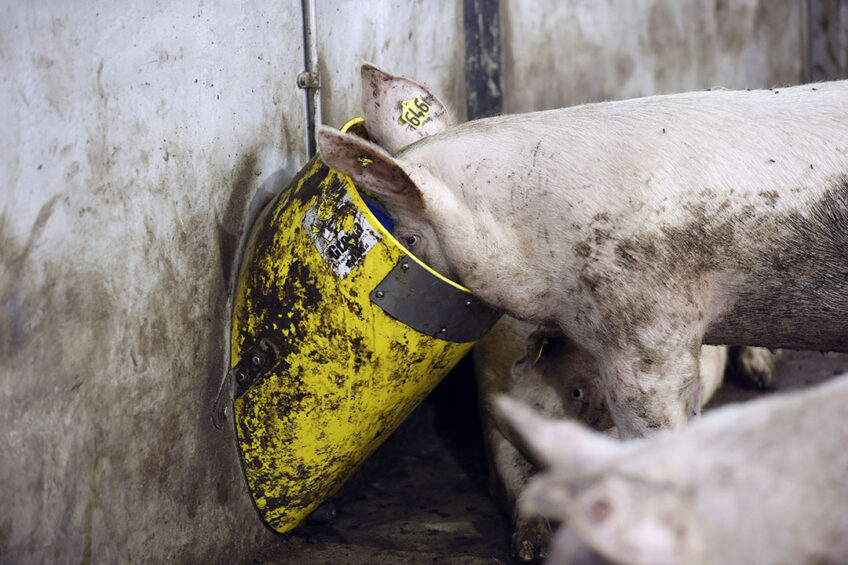
Cereal grains and protein supplements usually provide the required energy and nutrients for pigs. However, considering the high demands and prices, swine producers are required to find low-cost alternative co-products to feed pigs. Most of these co-products with high energy and nutrients are fibre-rich. This has both positive and negative effects. A fibre-rich diet has a lower nutritive value for pigs. This is due to the lack of proper digestive enzymes, which in turn results in lower perf
Get full access to all stories on Pig Progress
This Premium article is exclusively available for subscribers
Obtain insights from exclusive interviews
Dive into articles covering trending industry topics
Get a glimpse into pig farms worldwide
All the news is brought to you by experienced editors and experts from around the world

Vincent
ter Beek

Kees van
Dooren

Treena
Hein