Early life nutrition has never been more important
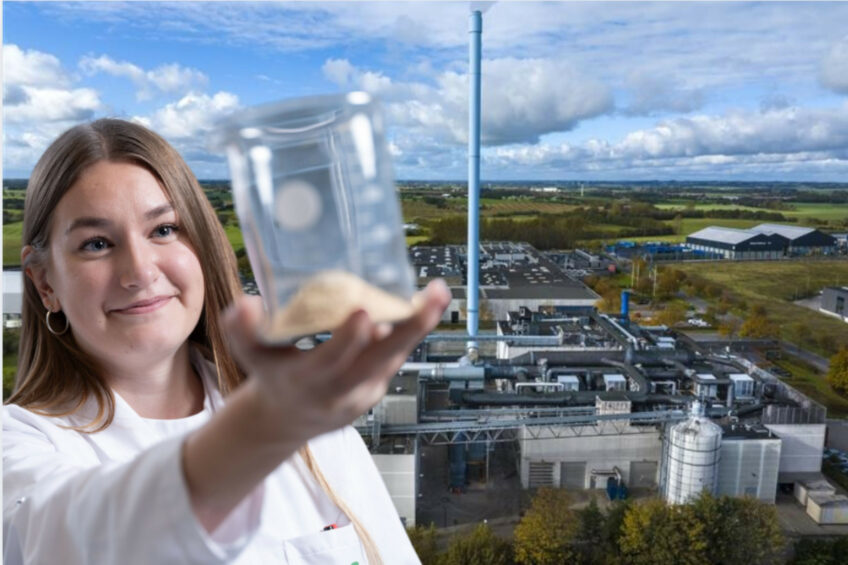
Since Hamlet Protein was founded in Denmark more than 30 years ago, the company has grown to become a global leader in soy-based specialty protein ingredients for young animal nutrition. Erik Visser discusses how making the right choices in early life nutrition results in better animal health and performance.
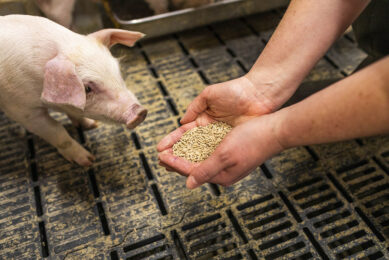
Feed costs can account for up to 70% of total production costs, and therefore making the right choices in diet formulation is critically important. While nutritionists have always been clear on how these choices impact profitability, we see a growing focus on starter and pre-starter diets as a critical phase to reach the genetic potential of the animal. Early life nutrition may comprise only a relatively small percentage of overall feed costs, but its impact on animal health and performance cannot be underestimated.
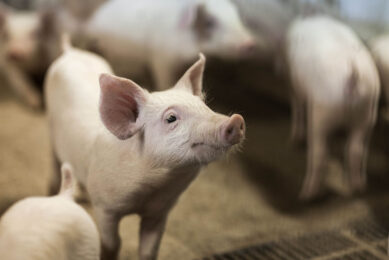
Definitely yes. Hamlet Protein works with swine, poultry, and ruminant feed producers, and I can say that early life nutrition has never been more important. In swine we see a continuous increase in the number of piglets per sow per year and rearing these piglets efficiently demands specific starter and pre-starter feeds.
The poultry sector is growing, and, in broilers, turkeys and layers, innovative feeding practices in young animals, drive later life feed efficiency and performance. And similarly in calf nutrition, we see a positive impact of investing in the early life stage.
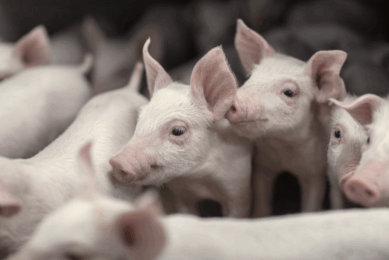
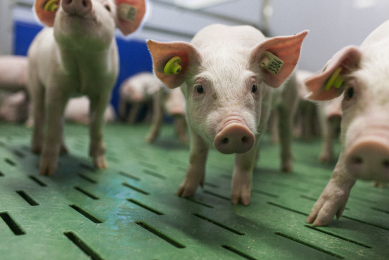
Commercial pig production systems involve early and abrupt weaning, which contrasts with the gradual transition from mother’s milk to solid feed in nature. Due to such abrupt weaning, a piglet, with an immature immune response, is challenged with multiple stressors (including environmental, nutritional and social), which are associated with changes in the still developing gut microbiota leading to a high incidence of diarrhoea.

Even though soybean meal is an excellent vegetable protein, it also contains components that can hinder the digestion process of the young animal, such as antigenic protein, oligosaccharides, phytic acid, lectins, and trypsin inhibitors. As a whole, we refer to these as anti-nutritional factors (ANFs). Anti-nutritional factors cannot be broken down during digestion and can be harmful for animals, for example by constituting a substrate for bacterial fermentation in the gut.
Unevenness of soy anti-nutritional factors therefore not only affects growth performance but also increases the risk of pathogenic bacteria. Therefore, ensuring the lowest possible anti-nutritional factors activity in soybean ingredients is key to improving the performance, health, and welfare of animals. Our patented bio-conversion process ensures that all our protein products have a highly reduced ANF content.
Feed formulations of the future optimise nutrient utilisation. For proteins, this is partly dependent on digestibility but also largely influenced by the speed of protein digestion and absorption. The faster a protein is hydrolysed and absorbed the more of it will be used for tissue deposition. This improves growth performance of animals and reduces the risk of undigested protein fermentation from potential pathogens, disturbing gut health.
Additionally, it contributes to a reduction of nitrogen excretion into the environment. Using feed raw materials, including proteins, more efficiently is increasingly important for companies involved in animal protein production, as the sector seeks solutions that offer improved sustainability. Nutritionists then need to consider the significant differences in protein kinetics between protein sources.
Spray-dried plasma (SDP) is a premium protein ingredient fed to nursery pigs; however, availability cost and safety concerns may arise with its use. Each farm has unique needs, and we have worked with producers substituting part of the plasma in their diets, making both strategies complementary.
We have also worked with more aggressive substitutions, delivering the same health and performance. HP300 is highly palatable and the removal of ANFs eliminates stress factors for young animals. Moreover, HP300 can be digested just as fast as SDP, making it the fastest vegetable protein source on the market. Other soy-based protein sources are a lot slower and cannot meet the hydrolysation speed of SDP.
With our skilled global and local teams, and our consistent product performance, we have successfully positioned ourselves as experts in providing health through nutrition. Backed by science, hands-on experience, and a great network, we have been a reliable partner for producers around the world for more than 3 decades. When optimising protein levels in diets, choosing the right protein source is critically important – even more so in early life nutrition. And that is where Hamlet Protein delivers unparalleled value.