USA: First commercial farm outbreak of pseudorabies in 22 years
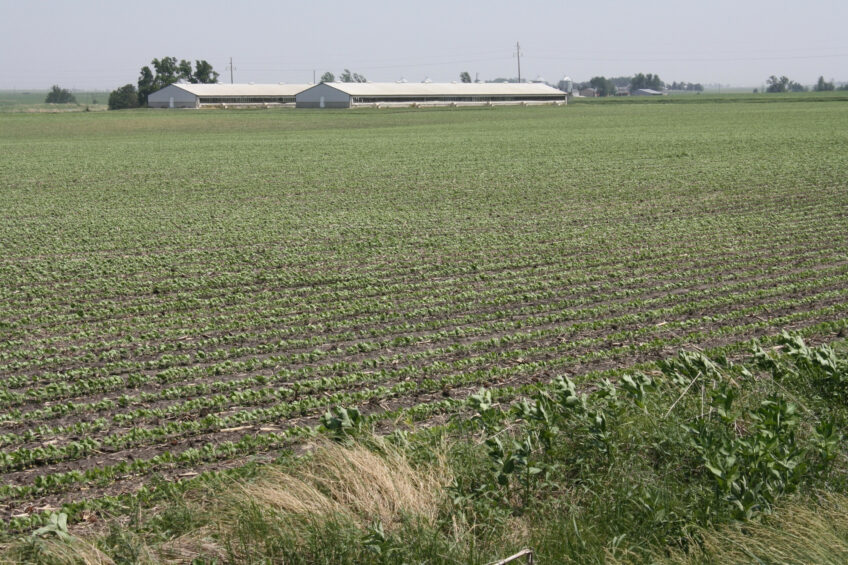
In a swine unit in Iowa, APHIS has confirmed the presence of Aujeszky’s Disease virus (also known as pseudorabies). The virus had not been found in US commercial swine operations since 2004.
The virus was detected on 22 April at a commercial facility near Eldora in Hardin County, approximately 115 km north of the state capital, Des Moines. In total, 11 animals were identified as susceptible, of which 5 tested positive for the virus.
On its site, the USDA Animal and Plant Health Inspection Service (APHIS) confirmed that these were 5 boars that had come from an outdoor facility in Texas. Animals from that herd, APHIS wrote, also tested positive for pseudorabies. The item said that “APHIS is working with officials in Iowa and Texas to expand traceback efforts and identify any additional potential exposures.”
A statement by the World Organisation for Animal Health (WOAH) read that the “affected animals were being held in isolation and have been depopulated”. In addition, the statement said that no semen from affected animals has been shipped domestically or internationally.
Aujeszky’s Disease in feral pigs
Aujeszky’s Disease is known to occur in some feral pig populations where they exist in the US; occasional spillover to outdoor production herds is therefore possible. Enhanced surveillance and response activities will be conducted in accordance with the United States pseudorabies eradication programme standards.
Abortion, diarrhoea, pneumonia
Aujezsky’s Disease is caused by suid herpesvirus 1 and results in a wide range of clinical signs in pigs of all ages. These include respiratory symptoms as well as reproductive losses such as abortion and stillbirth. In young pigs (up to three weeks of age), signs may include incoordination, loss of appetite, vomiting and diarrhoea. Older pigs may develop sneezing, coughing, pneumonia and, in some cases, blindness.
Although the virus is generally well controlled, sporadic outbreaks continue to occur. In March, cases were reported in Hungary; in February, Papua New Guinea reported outbreaks; and the virus also re-emerged in France in late 2025.