ASF Spain: Virus in Catalonia may be “new strain”
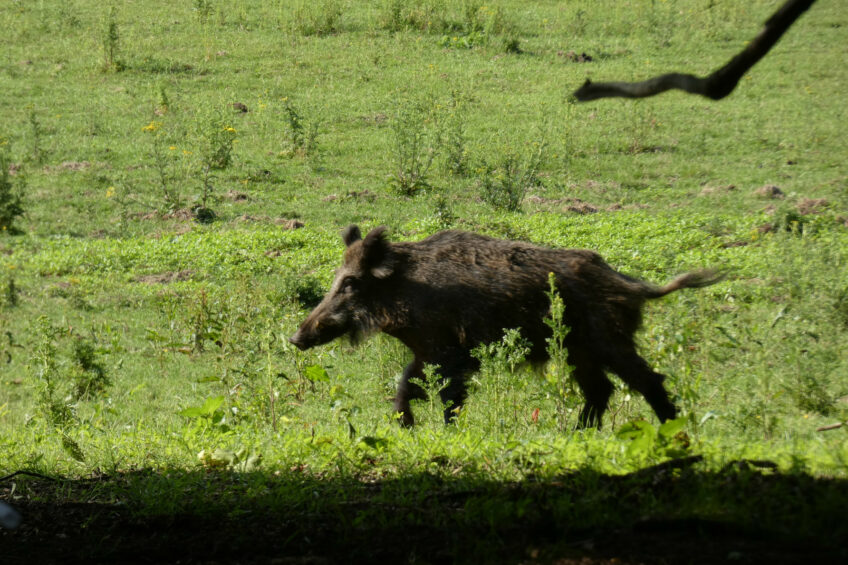
The search for the origin of the current ASF outbreak in Spain’s wild boar population has taken an unexpected turn. A study commissioned by the Catalan government appears to rule out that the virus escaped from the laboratory of IRTA-CReSA and suggested that the Spanish variant is a new strain.
There are various different research studies being carried out to the origin of the ASF virus near Barcelona, late November 2025. According to the Barcelona-based newspaper El Periódico at least 4 of them are pending. One of the 4 was commissioned by the “Generalitat” as the government of the autonomous community Catalonia is being called. This research was carried out by the Institute for Research in Biomedicine (IRB), located in Barcelona.
The research was led by Prof Toni Gabaldón, the Catalan authorities calling him a “recognised expert in phylogeny and comparative genomics.”
No match for the current outbreak
In a news release, the Catalan government wrote, “The study analysed the 17 strains of the ASF virus that have recently been worked on in the (IRTA-CReSA, ed.) laboratory located within the radius of the focus. The results are conclusive: none of these strains genetically match the strain responsible for the current outbreak.
“The differences observed are too significant to establish any direct relationship. The virus detected in Cerdanyola del Vallès presents dozens of specific mutations and a large genomic deletion that do not appear in any of the strains analysed in the laboratory. This set of differences does not allow us to confirm that the outbreak originated in these samples.
“The complete genome sequencing of the outbreak virus indicates that it is a genotype II ASF strain, with general features similar to the previously detected virus, but with substantial genetic changes not previously described.”
Unique genetic fingerprint
The Catalan authorities described the unique “genetic fingerprint” to be including a large loss of a fragment of the genome (deletion), as well as a set of exclusive mutations that do not match the usual strains currently circulating in Western Europe.
The news release concluded by saying, “This genetic pattern shows more similarities with some isolated cases described in Eastern European and Asian countries, such as Russia, China or Thailand, and indicates that we are facing a new or previously undocumented variant.”
ASF strain with 27 mutations
In its coverage, El Periódico gave additional details about the IRB research, saying that the virus variant currently spreading in Catalonia has up to 27 mutations, including a deletion of up to 10,000 “letters” in its genome, which differentiates it from the 800 strains described to date in international scientific literature. The newspaper quoted Prof Gabaldón, saying, “We could be facing a different strain than what we’ve seen so far, which would explain why this outbreak is showing a different virulence than others detected in Europe.”
El Periódico also quoted Cristina Massot, secretary general of the Catalan ministry of agriculture, livestock, fisheries and food. She said that apart from the 17 strains, 2 more strains from IRTA-CReSA are pending analysis. She described those as being “frozen samples from studies conducted more than 5 years ago.”
Waiting for the results from the reference lab
The outcome does not mean the absolute definitive end to the theory that the virus might have escaped from a laboratory. One of the other studies still going on is being carried out at Spain’s reference lab, the Central Veterinary Laboratory in Algete, near Madrid. Those conclusions still have to be shared – it is needless to say, those results are being awaited eagerly.
El Periódico mentioned that the other investigations towards the origin of the virus are being conducted by the Catalan police and the Catalan civil guard.
Number of infected wild boar at 29
In the meantime, there continue to be cases of ASF-infected wild boar found that are slightly further away from the initial finding places. The latest finds bring the total number of infected wild boar at 29. All infected animals have been found within a 6 km radius from the original finding place. The youngest finds (victims 28 and 29) were located just south of the town Cerdanyola des Vallès, south of the motorway AP-7. The animals were found on December 19 and reported 10 days later to the World Organisation for Animal Health (WOAH), the delay being caused most likely because of Christmas holidays.
Join 18,000+ subscribers
Subscribe to our newsletter to stay updated about all the need-to-know content in the pigsector, three times a week.