Aujeszky’s Disease in Hungary leads to warning for producers
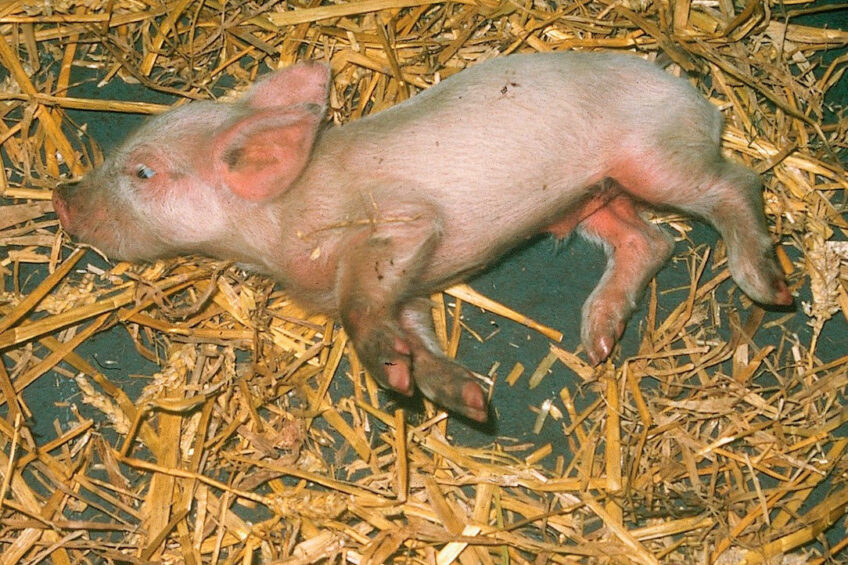
On the last day of 2025, Hungary discovered an outbreak of Aujeszky’s Disease (a.k.a. pseudorabies) close to the border with Croatia on a farm with over 7,000 pigs.
The infection was detected at a farm with 7,322 pigs in Somogyszob, in southwestern Hungary. The report to the World Organisation for Animal Health (WOAH) revealed that 65 animals were infected and showed clinical signs of the viral disease. These included increased piglet mortality and abortions.
The outbreak was confirmed on January 6 by the Hungarian reference lab. The country also reported a one-off Aujeszky’s Disease outbreak on a farm in November 2021.
Infections on other locations of the pig farm
The Hungarian Ministry of Agriculture has reported that infections have also been detected at 2 other locations of the farm. These locations are in the same Somogy county, on the border with Croatia. The ministry said that the virus was not detected at a 4th location of the farm. The farms have been blocked.
Hungary has been officially free of Aujeszky’s Disease since 2015. To maintain this status, strict protocols must be followed. Therefore, pigs at the infected farms are being culled, and other farms within a 2 km radius of the infected locations are being monitored with scrutiny. A transport ban has also been imposed.
Aujeszky’s Disease: A notifiable disease
Aujeszky’s disease is a notifiable disease. Infected animals may exhibit symptoms such as fever, shivering, nervous symptoms, and drooling. In piglets, mortality can reach 100%.
(Wild) pigs are the only animals that can transmit the virus. Many other species are susceptible to the virus but do not transmit it. Infections with the virus were also detected in the heart of France at the end of 2025 – these infections occurred in wild boar, kept in captivity.
As a consequence of the outbreak, elsewhere in Europe, for instance in the Netherlands, authorities have been urging livestock transporters to extra clean and disinfect their vehicles for cloven-hoofed animals when returning from Hungary.