ASF Spain: Number of infected animals up to 27
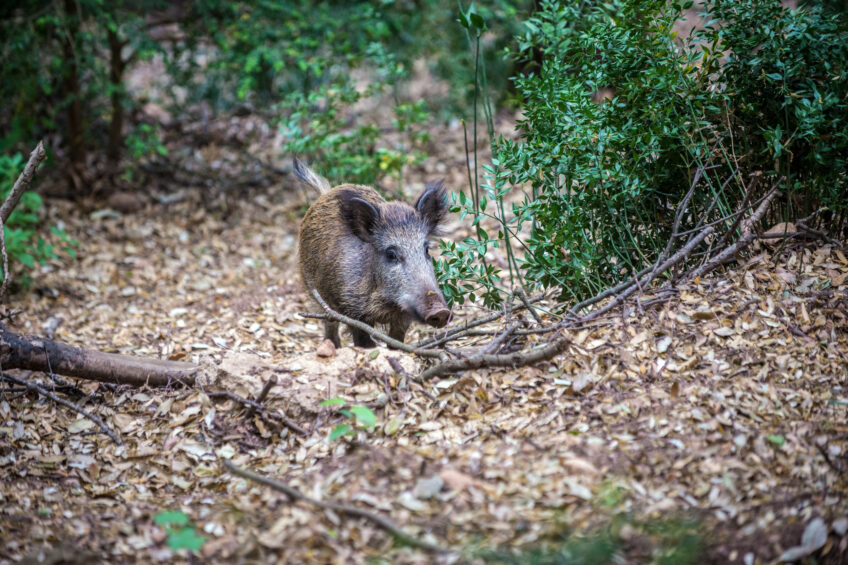
The number of wild boar in Spain, confirmed infected with African Swine Fever (ASF) virus, has gone up to 27. The animals have all been found in a zone north of Barcelona – but the most recent one was about 5 km away from the previous cases.
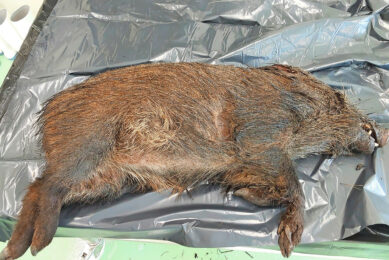
On Friday, December 19, a wild boar turned out to be positive for ASF, when it was shot just south of the town Sant Cugat des Vallès. The other 26 carcasses were found in the town Bellaterra as well as west of the town Cerdanyola des Vallès, at about 15 km north west of Barcelona. All cases were found within the same county, i.e. Vallès Occidental.
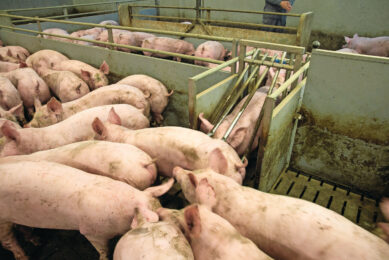
According to the Barcelona-based newspaper La Vanguardia, inspections carried out on the 57 farms located in the area continue to show no symptoms or lesions related to ASF.
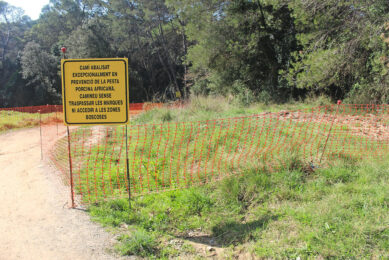
ASF first emerged in the Spanish autonomous community Catalonia on November 28 of this year. The virus was found in dead wild boar near Cerdanyola del Vallès. As a result, Spain lost its ASF-free status. In the European Union, this meant that trade continued for products manufactured outside a 20 km radius around the infected zone. Outside the EU, countries responded differently. Mexico and the Philippines completely closed their markets. Others, like China, accepted pork exports from outside the Barcelona area.
Investigation to ASF virus origin
Meanwhile, the investigation to the entry route of the virus is in full swing. The virus found in the dead wild boar does not seem to show any resemblance to the variety circulating in wild boar in the remainder of Europe, hence other routes of infection are not being ruled out – from escape from a laboratory to sabotage.
Especially the laboratory of the Catalan research institute CReSA has been under scrutiny. An initial visit of EU veterinary experts did not provide any clues how virus might have escaped, reported the La Vanguardia. The newspaper wrote that the experts had not been able to detect “any structural deficiencies that would allow the conclusion that the disease originated from a virus leak from the CReSA laboratories.”
Research by veterinary laboratory
A final conclusion could come from the Spanish central veterinary laboratory near Madrid, explained Òscar Ordeig, the Catalan minister of agriculture. To Madrid-based newspaper El País, he said, “Today we have no evidence to suggest that the virus could have escaped from the laboratory. What will be the definitive test? Sequencing, which means comparing the DNA of the virus found in wild boars in the wild with that of all the samples being investigated at CReSA. If they don’t match, it’s ruled out 100%.”
Ordeig also told El País that negotiations with countries that import Spanish pork are progressing to secure their acceptance of the regionalisation of exports from Spain, thus rejecting only meat from farms closest to the outbreak in Barcelona. He said that 78% have already signed the agreement with the Catalan government.
Join 18,000+ subscribers
Subscribe to our newsletter to stay updated about all the need-to-know content in the pigsector, three times a week.