ASF Germany: Infections in NRW state pass 500 mark
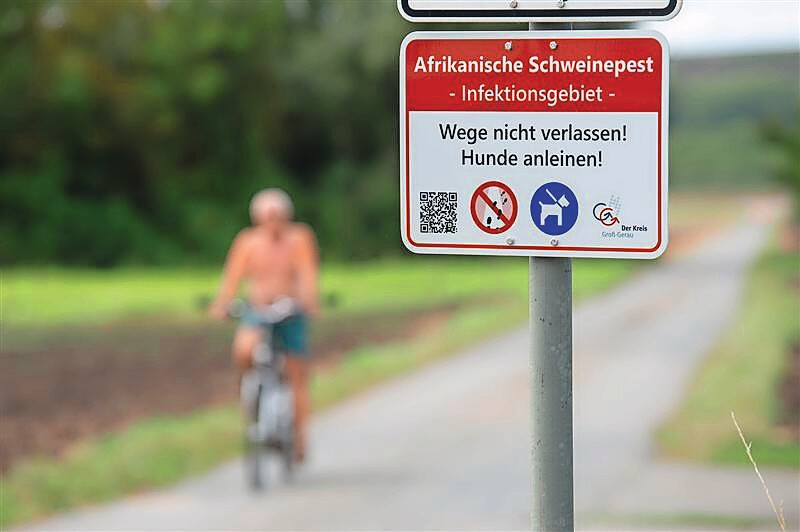
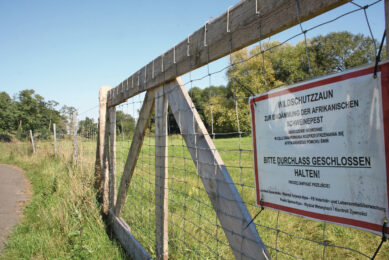
The outbreaks of African Swine Fever in wild boar in the German state of North Rhine Westphalia (NRW) have passed the mark of 500 cases in the past month.
North Rhine Westphalia is the state which is home to the Ruhr area, and where major cities like Cologne, Düsseldorf, Essen and Dortmund can be found. The German animal health database TSIS reported that the most recent count is 515 infected wild boar in NRW alone. Both the number of infected animals, as well as the geographical spread appears to grow bit by bit. In that respect, March 2026 was the busiest month as officials registered 123 infected wild boar in North Rhine Westphalia alone. Up until that moment, the month of August 2025 had been the most disastrous with 74 victims.
That pattern appears to continue into April, as up until now 42 cases have been reported; the majority in Siegen-Wittgenstein district, in the municipality of Hilchenbach (29).
In total, outbreaks have now been found in 3 NRW districts, i.e. Olpe (264 cases), Siegen-Wittgenstein (246 cases) and Hochsauerlandkreis (5 cases). The map below shows the situation on the basis of data by the World Organisation for Animal Health (WOAH).
Different situation than in the rest of Germany
In this respect, the situation in North Rhine Westphalia is substantially different from other states in Germany. In most states the ASF situation is calm, even in the state of Hesse peace and quiet appears to have returned. Infected carcasses continue to be found every now and then, but since December 2025, cases have not exceeded 5 per month. To compare: Hesse recorded 410 infected wild boar in April 2025.
Only the state of Saxony recently realised that the virus can strike again any time. Mid-February, the state was declared free from ASF after 5.5 years of disease pressure, but on April 1, 2026, a living wild boar was found infected with the virus in the municipality of Waldhufen, in Görlitz district. According to the German animal diseases database TSIS, this so far has remained the only “new” case in Saxony.
In all other states, ASF has either been declared gone – something that happens when officially for 1 entire year no fresh cases are found; or at least there are good hopes that soon the virus will officially be declared over. Brandenburg (in Eastern Germany) is the next to obtain the “free” status again, if the virus does not reappear before May 14, 2026. Baden-Württemberg may follow on July 8, and Rhineland-Palatinate on September 4.
In Mecklenburg-Vorpommern, the last infected wild boar was found in October 2022 and in Lower Saxony, only a farm got infected but no infected wild boar have ever been reported.
Join 18,000+ subscribers
Subscribe to our newsletter to stay updated about all the need-to-know content in the pigsector, three times a week.