New rules will cost Germany’s pig farmers €4.4 billion
A dazzling sum of €4.4 billion. That is the calculated amount which will cost the transition to modern-style breeding houses and farrowing pens in Germany. The German pig farmers’ union ISN recently shared that estimate on the basis of a survey.
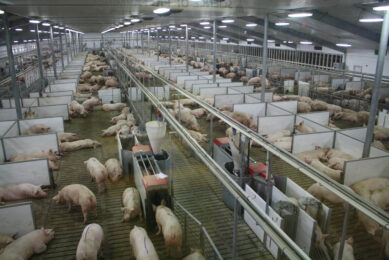
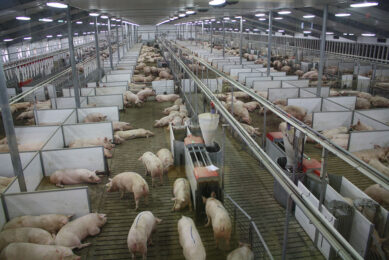
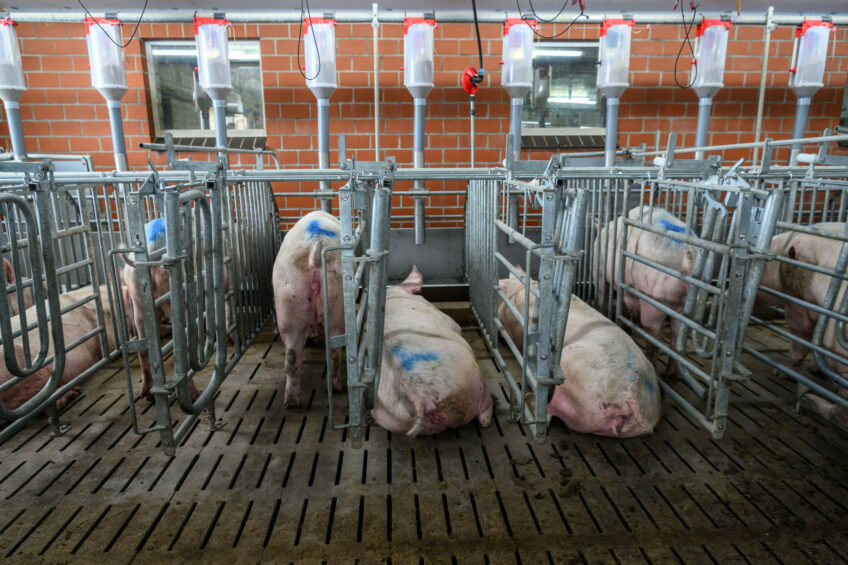
As from 2029, it will no longer be allowed for German breeders to confine their sows in the breeding (AI) areas. In addition, as from 2035, free farrowing pens will have to be the standard.
Many producers have indicated that they cannot afford the costs associated with the transition and hence, they are intending to give up, ISN wrote. The union called on the German federal and state governments to help producers make their deadlines. ISN wrote: “Producers need practicable and feasible solutions from politicians.”
Survey with 244 pig producers participating
The ISN survey took place in the last 2 months of 2025, with 244 producers participating. The participants on average kept 400 sows, significantly more than the national average of 295 sows/farm. In total, the producers were responsible for 100,000 sows.
With regard to the breeding (AI) sections, in total, 165 producers responded that they would have to invest an average of €278,000 for a conversion to meet the new standards. Applied to all sow places, that would come down to an average of €696 per place. ISN emphasised that there is a huge variability, as some producers will have to construct new buildings, whereas others can make do with smaller adjustments.
When zooming in on investments in the farrowing sections, numbers rise. In total 135 farms responded they would have to invest on average €1.35 million in order to meet the new requirements. That would mean on average €3,157 per sow place.
Almost €4,000 per sow place
All in all, producers who still have to start converting both breeding and farrowing areas will need about €1.6 million or almost €4,000 per sow place. The high prices are related to the fact that in general construction costs have virtually exploded in recent years, said ISN.
Some farms have already completed their conversion; whereas others are simply shutting up shop. Taking those factors into account, then the average investment sum for all 244 farms is €1.24 million. When extrapolated to all farms involved and taking into account the lower average number of sows in Germany, the total investment for German piglet production would come down to €4.4 billion, the organisation wrote.
Decision making for the breeding zones
With regard to the breeding (AI) zones, 59% of respondents haven’t taken action yet. Either they haven’t applied for permits yet or they have decided to quit. A total of 14% is already meeting new requirements or are in the process of renovating. Another 14% have submitted a conversion permit and a similar proportion will soon be able to do so. ISN said, “It can be assumed that these 41% of farms will continue to keep sows despite the necessary renovation of the breeding centre.”
For the farrowing sections, just under 5% have met the requirements or are in the process of restructuring. A further 21% have their plans ready and can expect a building permit soon. Around 30% of the farms is still very unclear about their prospects for sow farming. ISN warned, “For almost half of the farms, it must be assumed that they will phase out farming when the conversion of the farrowing barn is imminent.”