Russia culls livestock in Siberia on a massive scale, denies FMD rumours
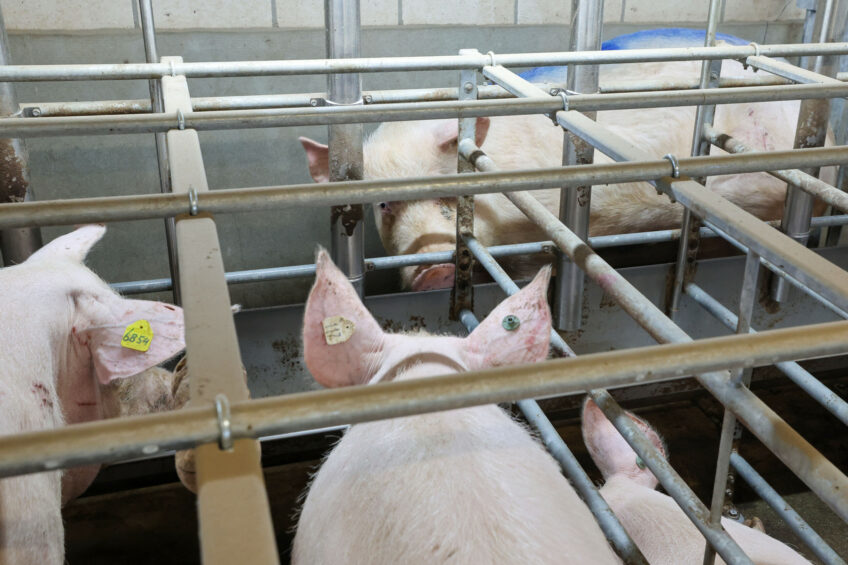
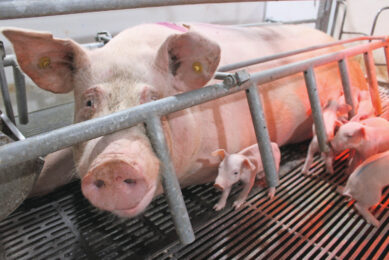
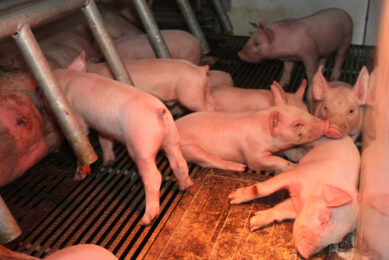
Over the past several weeks, Russian veterinary authorities have been seizing and culling livestock across at least 10 regions in Siberia, affecting cattle, small ruminants and pigs. The large-scale campaign is raising concern across the wider livestock sector, including pig production.
Officials state that the measures are aimed at containing outbreaks of pasteurellosis and rabies. However, farmers question the scale and urgency of the actions, suggesting they may be disproportionate and could indicate attempts to contain a wider outbreak of Foot-and-Mouth Disease (FMD).
According to various estimates, up to 100,000 animals – including pigs – could be culled, which would make this one of the largest livestock culling campaigns in the region in recent years.
In a series of videos posted on Russian social media, farmers claim that animals are being seized and destroyed without prior testing and with unusual speed.
FMD concerns mount
Concern within the Russian livestock industry is growing, particularly among pig sector stakeholders, as speculation increases that authorities may be responding to a large-scale FMD outbreak.
“Pasteurellosis isn’t particularly dangerous and does not require large-scale slaughter, whereas FMD carries serious risks,” an anonymous industry source told business daily Kommersant.
Several other unnamed sources echoed these concerns, stating that the possibility of FMD is creating increasing uncertainty in the sector. Authorities, however, continue to deny any link to FMD.
If confirmed, an outbreak would have major implications for Russia’s livestock and pork export position. Kazakhstan has already closed its border to Russian livestock products, and there are concerns that China could take similar measures.
Export risks for pork and dairy
China has become an increasingly important market for Russian agriculture in recent years, particularly for pork producers, while also representing growth potential for dairy exports.
In 2025, Russia exported dairy products worth US$ 500 million, up 13% year-on-year. While the majority of exports are still directed to post-Soviet countries, producers have been expanding into markets such as China, Algeria, Egypt, Saudi Arabia and Turkey.
A confirmed FMD outbreak on this scale would likely require the entire country to be declared a quarantine zone, according to Russian epidemiologist Mikhail Favorov. “No one wants to announce FMD, but they want to fight it. So they slaughter all the animals – and there will be no FMD,” Favorov stated on social media.
Speculation within the sector
At the same time, some farmers suggest that large agricultural holdings may benefit from the current situation. In online videos, they claim that major players could be using administrative measures to remove smaller producers from the market. Smaller farms still account for a significant share of raw milk production, but similar concerns are also voiced regarding consolidation trends across the wider livestock sector, including pig production.