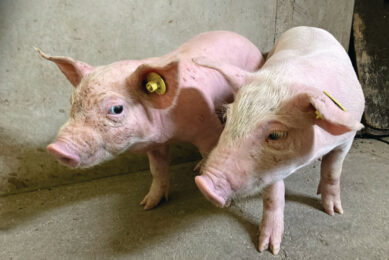
Phages and essential oils to fight resistant bacteria on pig farms
Spanish researchers are proposing an approach involving bacteriophages to reduce the emergence of multidrug-resistant bacteria like E. coli or Salmonella in the food chain.
The method is promoted by the CampySalmo research group at CEU Cardenal Herrera University in Valencia, Spain, led by Prof Dr Clara Marín Orenga, as can be read in an article on the university’s website.
Application of bacteriophages
The group completed a study on the application of bacteriophages in combination with essential oils to eliminate multidrug-resistant bacteria that accumulate on farms and can pose a potential risk to public health. In the news release by the university, Prof Marín was quoted as saying, ‘The combination of these two innovative strategies allows us to reduce the presence of pathogens, minimise the use of antimicrobials, and guarantee safer, more efficient, and economically and environmentally sustainable livestock production’.
Prof Marín highlighted: “Following the ban on products that were highly effective against Salmonella, alternative disinfection protocols are necessary. Both society in general, and the swine sector in particular, require sustainable solutions that are cost-effective, easy to implement, and respectful of the environment, animals and people.”
Complementary biocidal properties
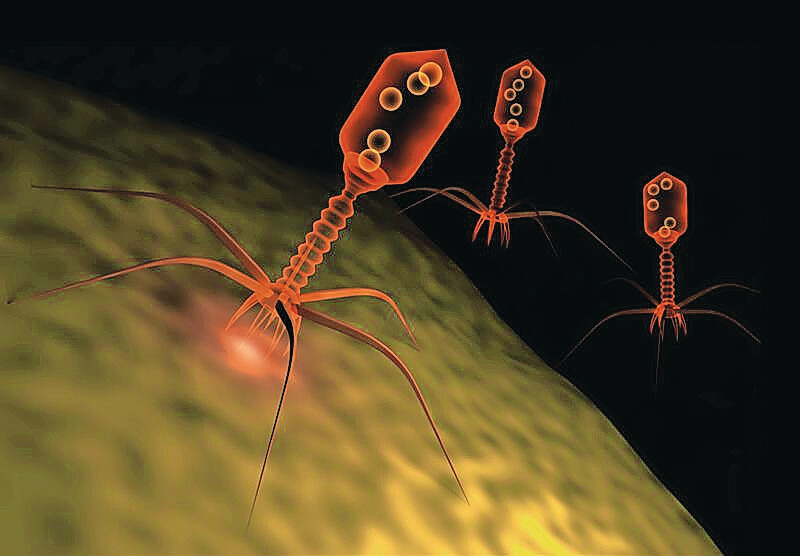
Bacteriophages are highly selective against their target bacteria, such as Salmonella, and have demonstrated great efficacy in field applications, particularly in the poultry industry.
However, evidence of their use as biocides on pig farms has so far remained limited. Despite their advantages, they are not a solution to all problems, the news article stated – prolonged use of bacteriophages could even promote the emergence of bacterial strains resistant to them. Therefore, the article stated, it would be advisable to combine them with other environmentally friendly biocidal agents.
Prof Marín commented, “One of the most promising options is the use of essential oils, which have been widely reported as effective biocides. Among them, eugenol, carvacrol and cinnamaldehyde have been especially effective in our field studies.”
Efficacy in field studies
The antimicrobial activity of these essential oils generally involves disruption of bacterial cell membranes, interference with enzymatic activity, or leakage of intracellular contents. In contrast, lytic bacteriophages act through a much more specific mechanism: they bind to specific receptors on the bacterial surface, inject their genetic material and replicate within the host until cell lysis occurs.
Join 18,000+ subscribers
Subscribe to our newsletter to stay updated about all the need-to-know content in the pigsector, three times a week.