Heat plan for Flanders’ pig producers after years of study
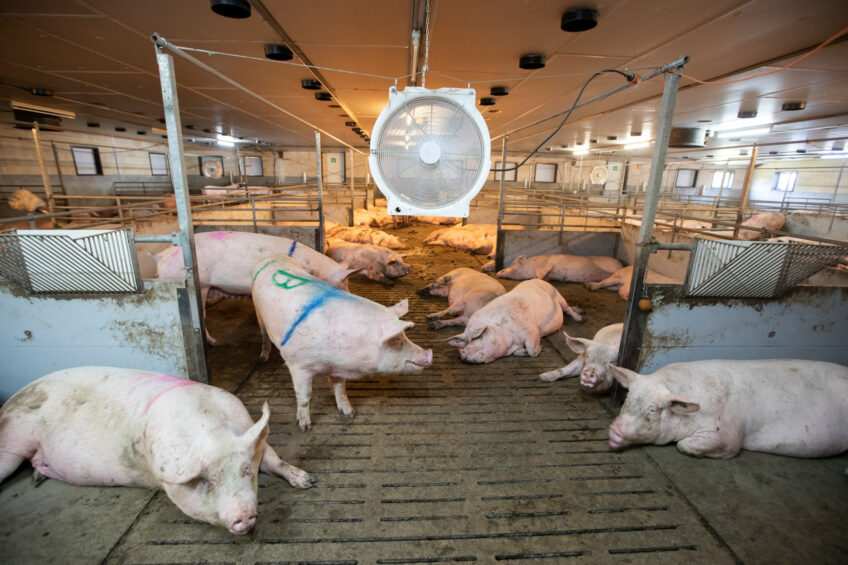
Many years of studying have led to a comprehensive heat plan for pig producers, animal transporters and slaughterhouses in Flanders, the northern part of Belgium.
The “Coolpigs” project has been running for many years – an earlier Pig Progress background article revolved around initial findings. The newly published heat plan has combined everything into a tangible list of concrete suggestions and actions for pork producers to combat heat stress in their animals. In order to better implement these measures, producers can apply for a grant from the Flemish Investment Fund for Agriculture (VLIF).
Heat stress compromising health
During hot summers, heavier finishing pigs and sows can suffer from heat stress, which compromises their welfare, health and growth. The number of extremely warm summers is likely to increase and so are the days classified as “hot.” Pigs are extra sensitive to heat as sweating is difficult for them; moreover, modern pig houses are usually unprepared for bringing relief from the heat.
There was a need for answers and solution. To that end, the Coolpigs project was started up, in which the Flanders Research Institute for Agriculture, Fisheries and Food (ILVO) cooperated for 4 years with the Faculty of Veterinary Medicine at Ghent University. Various measures got evaluated at the Pig Campus and on farms, both during summers and in induced heat waves under controlled conditions.
Combination of small interventions for pigs
A combination of small interventions can make a big difference, ILVO reported.
- A lower stocking density helps to limit heat stress. For example, giving 25% extra space (1 m² instead of 0.8 m²/animal) to finishing pigs during hot days ensures less increase in body temperature;
- Adding vitamins E, C and organic selenium to the feed reduces cell damage and improves growth and meat quality;
- High-pressure misting lowers the barn temperature by 2.5°C and reduces the respiratory rate by 8%;
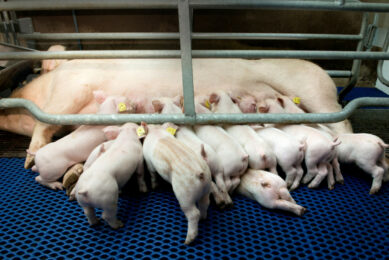
- Additional fans in farrowing pens provide cooling for sows, with a 28% drop in respiratory rate;
- An air inlet on the shady side lowers the temperature of incoming air by 6°C compared to an air inlet that is south-facing.
Other tips included to move, handle or vaccinate pigs only during the cooler hours of the day, to paint the walls and roofs of the stalls white and to adjust transport times.
Temperature Humidity Index
ILVO also pointed to the Temperature Humidity Index (THI) to measure heat stress in pigs. The predicted THI can be calculated using a formula combining the ambient temperature with the relative humidity. The THI also gives thresholds as an indication for the seriousness of heat stress effects.