CSF Brazil: Outbreak in the northern state of Piauí
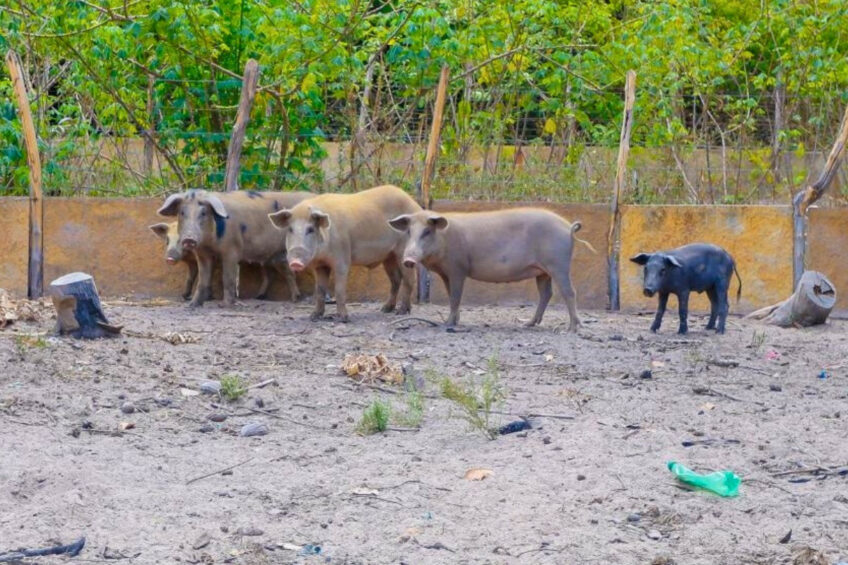
Brazilian authorities have confirmed an outbreak of Classical Swine Fever (CSF) in a backyard farm near Porto, in the northern state of Piauí. The outbreak does not affect international trade as it took place outside the region that is considered “free from CSF.”
The case led to the standstill of movement, the death of at least 66 pigs and the culling of 27 animals. In response, the state government declared a 180-day animal health emergency by a decree published on Tuesday, January 6.
As the crow flies, Porto is located about 600-700 km from Brazil’s internationally recognised CSF-free zone. The nearest free area begins further south.
Fábio Abreu, secretary for technical assistance and agricultural defence in Piauí (Sada), confirmed the outbreak on 31 December, 4 days after the State Agricultural Defence Agency (Adapi) had been notified of a suspected case on December 27.

Sanitary response to get CSF under control
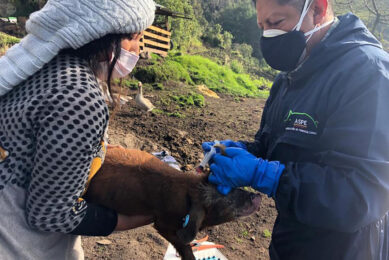
The sanitary response followed according to protocols outlined in Brazil’s National CSF Control Plan. Abreu told local media, “From that point onwards, all procedures were carried out in relation to the property and the animals that were still alive, which were culled. Disinfection was also performed on-site, and sanitary protocols were applied across the surrounding area.”
Piauí requested federal support to conduct vaccination campaigns against CSF, a strategy previously adopted in other outbreaks.
The emergency decree grants Adapi expanded powers to issue guidelines, adopt disease management measures and procure the inputs required for control and eradication actions.
CSF outbreak outside of the free zone
Brazil’s Ministry of Agriculture (MAPA) stressed that the outbreak does not affect Brazil’s international pork business. Luís Rua, Brazil’s secretary for trade and international relations, said the outbreak occurred in an endemic area and has no consequences for the sanitary status of the rest of the country.
This is because Piauí is not part of the CSF-free zone and does not rank among Brazil’s leading pork producing or exporting states, with production largely based on subsistence farming.
Under the official standards of the World Organisation for Animal Health (WOAH), the CSF-free zone includes the states of Acre, Rondônia, Tocantins, Bahia, Sergipe, Espírito Santo, Rio de Janeiro, São Paulo, Minas Gerais, Goiás, Mato Grosso, Mato Grosso do Sul, Paraná, Santa Catarina, Rio Grande do Sul, as well as the Federal District around the capital Brasilia.
A key exception is Amazonas, which is not entirely CSF-free: only the municipalities of Guajará and Boca do Acre, the southern part of Canutama and the south-west of Lábrea are recognised as free.
The non-free or endemic CSF zone comprises the states of Alagoas, Ceará, Maranhão, Paraíba, Pernambuco, Piauí, Rio Grande do Norte, Pará, Amapá, Roraima and Amazonas, except the municipalities classified as free. It is in these areas that CSF continues to circulate endemically, typically associated with subsistence pig farming.
CSF case history
Over the past decade, every time CSF emerged in Brazil, the outbreaks occurred in the north, in a non-free region. The country confirmed outbreaks in Forquilha (Ceará) in 2018, in Ceará and Piauí in 2019, Cocal de Telha (Piauí) in 2023, again in municipalities in Piauí in 2024, and now again in late December 2025.